Tirzepatide vs semaglutide: what the trials show
Tirzepatide vs semaglutide: the direct SURMOUNT-5 result (20.2 vs 13.7 percent), the diabetes and cardiovascular data, and how to actually choose.
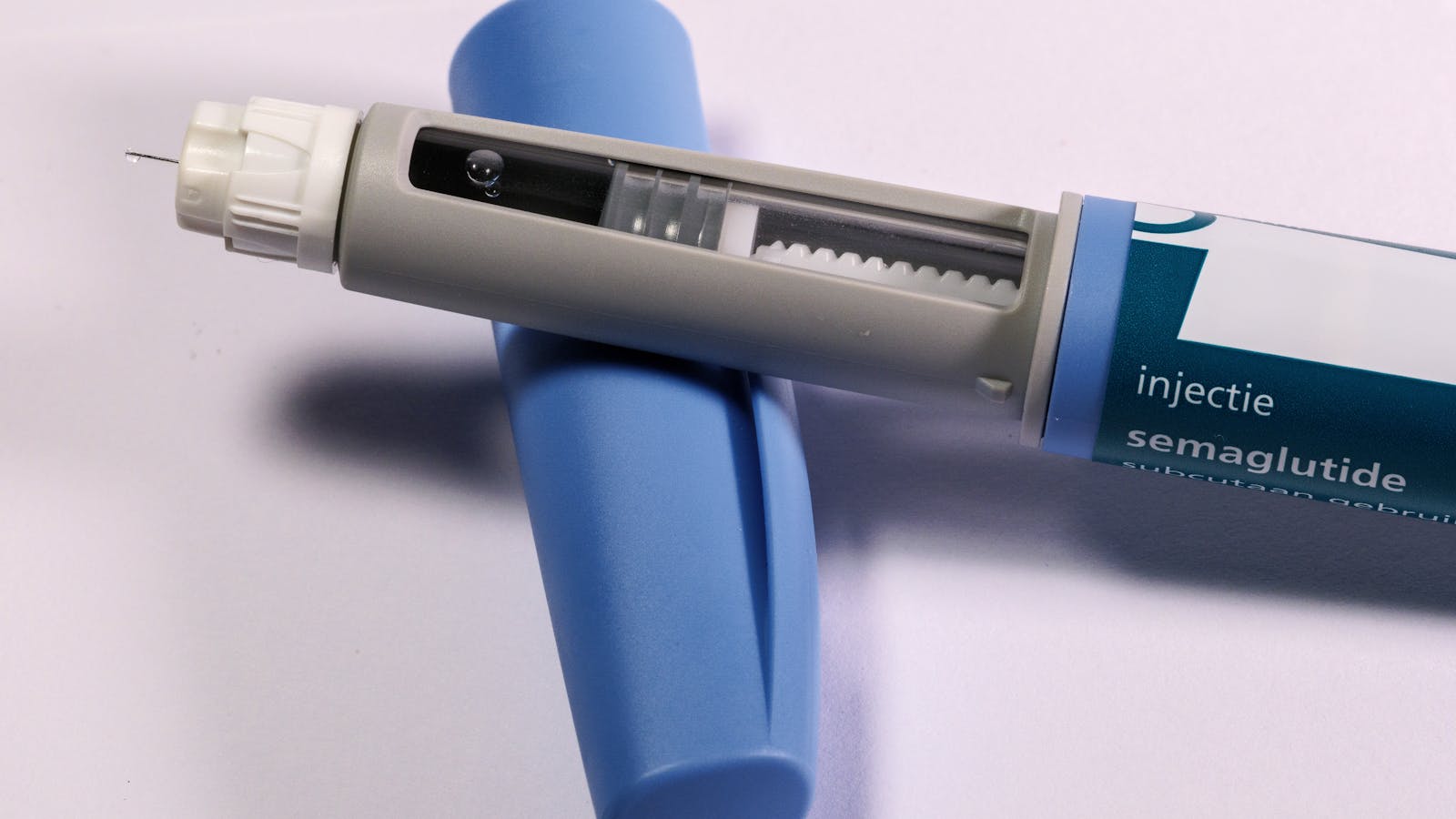
For research and educational purposes only. Not medical advice.
Category: GLP-1. 8 min read. By pepSmart Editorial. . .
Key takeaways
- In the only direct obesity head-to-head (SURMOUNT-5, 751 adults, 72 weeks), tirzepatide cut body weight 20.2 percent versus semaglutide's 13.7 percent at top dose .
- Side by side at max labeled doses: tirzepatide 15 mg ran about 20.9 percent at 72 weeks (SURMOUNT-1) and semaglutide 2.4 mg about 14.9 percent at 68 weeks (STEP-1) .
- In type 2 diabetes (SURPASS-2, 40 weeks), tirzepatide 15 mg beat semaglutide 1 mg on both blood sugar (about 2.3 versus 1.9 percent HbA1c drop) and weight (about 11.2 versus 5.7 kg) .
- Both carry an FDA boxed warning for thyroid C-cell tumors and are contraindicated with personal or family history of medullary thyroid carcinoma or MEN 2 .
- Semaglutide has the deeper cardiovascular record: SELECT cut major cardiac events about 20 percent in non-diabetic obesity . Tirzepatide's own outcomes trial, SURPASS-CVOT, reported in 2025 as noninferior to dulaglutide in type 2 diabetes, but there is no placebo-controlled obesity outcomes trial yet .
Skip to:
- Which one wins, and on what
- Why the mechanisms differ (GLP-1 vs GLP-1 plus GIP)
- The FDA-approved product map
- The direct diabetes head-to-head: SURPASS-2
- The semaglutide STEP program
- The tirzepatide SURMOUNT program
- Cardiovascular outcomes: semaglutide's lead
- Tolerability, side effects, and the thyroid boxed warning
- Compounded versus labeled product
- Final read
Which one wins, and on what
Two of the obesity figures below come from separate trials; only the 20.2-versus-13.7 line is a direct head-to-head. Each row gives the dimension, the verdict, the load-bearing number, and the source.
- Weight loss, direct head-to-head: tirzepatide wins. 20.2 percent versus semaglutide's 13.7 percent at top dose over 72 weeks (SURMOUNT-5) .
- Weight loss, max-dose monotherapy trials: tirzepatide 15 mg about 20.9 percent (SURMOUNT-1) versus semaglutide 2.4 mg about 14.9 percent (STEP-1) .
- Blood sugar in type 2 diabetes: tirzepatide wins. About 2.3 versus 1.9 percent HbA1c reduction (SURPASS-2) .
- Cardiovascular outcomes: semaglutide leads. SELECT cut major adverse cardiac events about 20 percent in obesity; tirzepatide's SURPASS-CVOT (2025) showed noninferiority to dulaglutide in diabetes, which is not a placebo-controlled obesity outcomes trial .
- Boxed warning and tolerability: tie. Same thyroid C-cell boxed warning, same class-typical GI side effects, discontinuation rates in a similar single-digit-percent range .
Why the mechanisms differ (GLP-1 vs GLP-1 plus GIP)
Semaglutide is a GLP-1 receptor agonist. Structural tweaks (an Aib substitution at position 2 and a fatty-acid sidechain) resist the enzyme that normally degrades the hormone and bind it to albumin, which is what gives it a roughly weekly half-life . Tirzepatide is a 39-amino-acid engineered peptide that hits two receptors: GLP-1 and GIP (glucose-dependent insulinotropic polypeptide), with a similar sidechain for once-weekly dosing .
Both engage the GLP-1 pathway and produce the appetite suppression and slower gastric emptying that drive the weight effect. Tirzepatide adds GIP-receptor activity on top of that. Exactly how much the GIP arm contributes to the extra weight loss is still debated, but the efficacy edge shows up across separate trials and populations, which points to a real pharmacodynamic difference: the gap holds whether a trial was run in diabetes or in obesity.
The FDA-approved product map
- Ozempic (semaglutide injection): approved 2017 for type 2 diabetes; weekly; 0.25 mg start, 0.5 / 1 / 2 mg maintenance.
- Wegovy (semaglutide injection): approved 2021 for chronic weight management; weekly; titrated to 2.4 mg, with a higher 7.2 mg dose approved in 2025 for additional weight reduction in eligible adults.
- Rybelsus (semaglutide tablets): approved 2019 for type 2 diabetes; daily oral with food restrictions; not approved for weight management.
- Mounjaro (tirzepatide injection): approved 2022 for type 2 diabetes; weekly; 2.5 / 5 / 7.5 / 10 / 12.5 / 15 mg.
- Zepbound (tirzepatide injection): approved 2023 for chronic weight management; weekly; same dose range as Mounjaro.
The full prescribing information for each brand is on DailyMed , and the weekly step-up schedule each one uses is laid out in the GLP-1 ramp planner. The brand names matter because the same molecule is sold under different names for different indications, which is a frequent source of confusion.
The direct diabetes head-to-head: SURPASS-2
SURPASS-2 was a 40-week open-label trial comparing tirzepatide (5, 10, 15 mg weekly) against semaglutide 1 mg weekly in adults with type 2 diabetes on metformin. Every tirzepatide dose beat semaglutide 1 mg on both blood sugar and weight, with tirzepatide 15 mg producing about 2.3 percent HbA1c reduction versus 1.9 percent, and about 11.2 kg weight loss versus 5.7 kg .
One caveat carried this comparison for years: SURPASS-2 used semaglutide 1 mg, the diabetes dose, not the 2.4 mg obesity dose, so it did not settle the obesity question on its own. SURMOUNT-5 closed that gap in 2025 by running tirzepatide against semaglutide at their top doses directly in obesity, and tirzepatide again came out ahead, 20.2 versus 13.7 percent . The interpretation is the same in both trials: dual agonism beats single agonism on weight at the doses studied.
The semaglutide STEP program
- STEP-1: semaglutide 2.4 mg for 68 weeks, about 14.9 percent weight reduction in adults with overweight or obesity .
- STEP-2: same protocol in type 2 diabetes; smaller, about 9.6 percent, consistent with the diabetes-population pattern .
- STEP-3: combined with intensive behavioral therapy; about 16 percent .
- STEP-4: after a randomized switch to placebo, weight climbed back while continued semaglutide held it off (about -7.9 versus +6.9 percent from week 20). This is the core evidence that the drugs manage weight only while they are taken .
- STEP-HFpEF: semaglutide 2.4 mg in obesity-related heart failure with preserved ejection fraction; improved symptoms and exercise function .
- SELECT: semaglutide 2.4 mg in non-diabetic adults with obesity and established cardiovascular disease; cut major adverse cardiac events about 20 percent over a mean follow-up of about 40 months .
The tirzepatide SURMOUNT program
- SURMOUNT-1: tirzepatide 15 mg for 72 weeks, about 20.9 percent weight reduction in adults with obesity and without diabetes .
- SURMOUNT-2: same trial design in type 2 diabetes; about 14.7 percent at 15 mg .
- SURMOUNT-3: intensive lifestyle lead-in then tirzepatide; about 18.4 percent more weight lost on top of the lifestyle loss .
- SURMOUNT-4: the tirzepatide maintenance trial. After the switch to placebo, weight regained (about +14.0 percent) while continued tirzepatide lost a little more (about -5.5 percent), the same pattern as STEP-4 .
- SURMOUNT-OSA: tirzepatide in obesity with moderate-to-severe obstructive sleep apnea; cut the apnea-hypopnea index by roughly half at 52 weeks .
Cardiovascular outcomes: semaglutide's lead
This is the one dimension where semaglutide is clearly ahead. It has two placebo-controlled cardiovascular outcome trials: SUSTAIN-6 (2016) established benefit in type 2 diabetes , and SELECT (2023) extended it to non-diabetic adults with obesity and established cardiovascular disease, cutting major adverse cardiac events about 20 percent .
Tirzepatide's dedicated cardiovascular outcomes trial, SURPASS-CVOT, was built against an active comparator, dulaglutide, instead of placebo, because incretin therapy was already standard of care when it launched (NCT04255433) . It reported in December 2025. In 13,299 adults with type 2 diabetes and established cardiovascular disease, tirzepatide was noninferior to dulaglutide for major adverse cardiac events (12.2 versus 13.1 percent; hazard ratio 0.92, met for noninferiority but not superiority) .
That readout means tirzepatide does not raise cardiovascular risk and matches a GLP-1 drug already shown to lower it. It is still a different bar from semaglutide's placebo-controlled benefit in obesity. For someone choosing on cardiovascular risk rather than weight, semaglutide has the more direct evidence today, and tirzepatide has no completed placebo-controlled obesity outcomes trial yet.
Tolerability, side effects, and the thyroid boxed warning
The GI side effects (nausea, diarrhea, vomiting, constipation, abdominal pain) are class-typical for both and worst during titration. SURPASS-2 reported broadly similar tolerability, with adverse-event discontinuation in roughly the same single-digit-percent range across arms . Both labels also warn on gallstones, pancreatitis, and acute kidney injury from dehydration when GI symptoms are severe .
Both also flag hypoglycemia risk when combined with insulin or a sulfonylurea, which usually means the prescriber lowers those doses. And both carry the FDA boxed warning for thyroid C-cell tumors. That warning rests on rodent data; it has not been confirmed by human cases, and long-term human surveillance has not shown the signal at clinical doses. It stays in the label anyway, which is why a personal or family history of medullary thyroid carcinoma or MEN 2 is screened before prescribing .
Compounded versus labeled product
Every trial number above comes from FDA-approved labeled product manufactured under chemistry and manufacturing controls. Compounded semaglutide and tirzepatide do not have equivalent oversight, and the FDA has flagged dosing-error patterns and adverse events with compounded GLP-1 products . Semaglutide salt forms (sodium, acetate) are not the same active ingredient as the approved base.
The shortages that opened the compounding lane for both drugs were resolved in 2024 and 2025, and the agency has since acted against compounding outside that framework. Cross-trial efficacy numbers do not transfer to a compounded preparation of unverified identity. The full picture is in compounded GLP-1s vs labeled product.
Final read
Both drugs work, and both reshaped obesity and diabetes care fast. Tirzepatide has the larger weight signal and now a direct trial behind it (20.2 versus 13.7 percent) . Semaglutide has the deeper cardiovascular record (SELECT) and the longer real-world history . Which one fits depends on cardiovascular history, diabetes status, sleep apnea, tolerability, prescriber experience, and what insurance will actually cover.
For research and educational purposes only. Not medical advice.
pepSmart has not commissioned independent clinical review of this article.
For how this article was sourced and reviewed, see Editorial process and contributor disclosure and Sourcing posture.
Spot an error? Email corrections via /about.
Sources: 22 entries, all primary canon (PubMed, ClinicalTrials.gov, DailyMed, FDA), last reviewed 2026-07-08.
Related tools
- Tirzepatide dose calculator - Run tirzepatide-focused vial draw math.
- GLP-1 conversion calculator - Convert a GLP-1 mg dose to U-100 units and ml.
- GLP-1 ramp planner - Preview a linear educational dose-step table.
- Peptide half-life calculator - Estimate single-dose decay from cited half-life constants.
- PK simulator overview - Public overview of the Pro pharmacokinetic simulator.
- Semaglutide dose calculator - Run semaglutide-focused vial draw math.
References
- [1] OZEMPIC (semaglutide) injection prescribing information, FDA via DailyMed (clinical pharmacology and boxed warning) (U.S. FDA via DailyMed)
- [2] MOUNJARO (tirzepatide) injection prescribing information, FDA via DailyMed (clinical pharmacology and boxed warning) (U.S. FDA via DailyMed)
- [3] WEGOVY (semaglutide) injection and tablets, Novo Nordisk US prescribing information revised 6/2026 via DailyMed: boxed warning for thyroid C-cell tumors seen in rodents; contraindicated with a personal or family history of medullary thyroid carcinoma or Multiple Endocrine Neoplasia syndrome type 2 (4, 5.1); warnings for acute pancreatitis (5.2), acute gallbladder disease (5.3), hypoglycemia when used with insulin or an insulin secretagogue such as a sulfonylurea (5.4, 7.1), and acute kidney injury due to volume depletion from gastrointestinal adverse reactions (5.5); in the adult weight-reduction trials 6.8% of patients on WEGOVY 2.4 mg injection versus 3.2% on placebo permanently discontinued for adverse reactions (6.1) (U.S. FDA via DailyMed)
- [4] ZEPBOUND (tirzepatide) injection prescribing information, FDA via DailyMed (boxed warning, warnings and precautions, adverse reactions) (U.S. FDA via DailyMed)
- [5] Frias et al. NEJM 2021: SURPASS-2 tirzepatide vs semaglutide in T2D (PMID 34170647) (PubMed)
- [6] Aronne et al. NEJM 2025: SURMOUNT-5 tirzepatide vs semaglutide in obesity (PMID 40353578) (PubMed)
- [7] Wilding et al. NEJM 2021: STEP-1 once-weekly semaglutide in obesity (PMID 33567185) (PubMed)
- [8] Davies et al. Lancet 2021: STEP 2 semaglutide 2.4 mg in overweight or obesity with type 2 diabetes (PMID 33667417) (PubMed)
- [9] Wadden et al. JAMA 2021: STEP 3 semaglutide plus intensive behavioral therapy (PMID 33625476) (PubMed)
- [10] Rubino et al. JAMA 2021: STEP 4 continued vs withdrawn semaglutide for weight maintenance (PMID 33755728) (PubMed)
- [11] Kosiborod et al. NEJM 2023: STEP-HFpEF semaglutide in obesity-related HFpEF (PMID 37622681) (PubMed)
- [12] Lincoff et al. NEJM 2023: SELECT semaglutide and cardiovascular outcomes in obesity (PMID 37952131) (PubMed)
- [13] Jastreboff et al. NEJM 2022: SURMOUNT-1 tirzepatide for obesity (PMID 35658024) (PubMed)
- [14] Garvey et al. Lancet 2023: SURMOUNT-2 tirzepatide in obesity with type 2 diabetes (PMID 37385275) (PubMed)
- [15] Wadden et al. Nat Med 2023: SURMOUNT-3 tirzepatide after intensive lifestyle lead-in (PMID 37840095) (PubMed)
- [16] Aronne et al. JAMA 2024: SURMOUNT-4 continued tirzepatide for weight maintenance (PMID 38078870) (PubMed)
- [17] Malhotra et al. NEJM 2024, SURMOUNT-OSA: tirzepatide for the treatment of obstructive sleep apnea and obesity (PMID 38912654) (PubMed)
- [18] ClinicalTrials.gov: SURPASS-CVOT tirzepatide vs dulaglutide cardiovascular outcomes (NCT04255433) (ClinicalTrials.gov)
- [19] Nicholls et al. NEJM 2025: SURPASS-CVOT tirzepatide vs dulaglutide cardiovascular outcomes (PMID 41406444) (PubMed)
- [20] Marso et al. NEJM 2016: SUSTAIN-6 semaglutide cardiovascular outcomes in T2D (PMID 27633186) (PubMed)
- [21] FDA alert on dosing errors with compounded GLP-1 products (FDA)
- [22] FDA: Medications Containing Semaglutide Marketed for Type 2 Diabetes or Weight Loss (FDA)
For research and educational purposes only. Not medical advice.