GLP-1 constipation: how long it lasts and what helps
GLP-1 drugs slow the gut and often cause constipation. What actually helps: fiber, fluids, movement, and when to reach for an osmotic laxative.
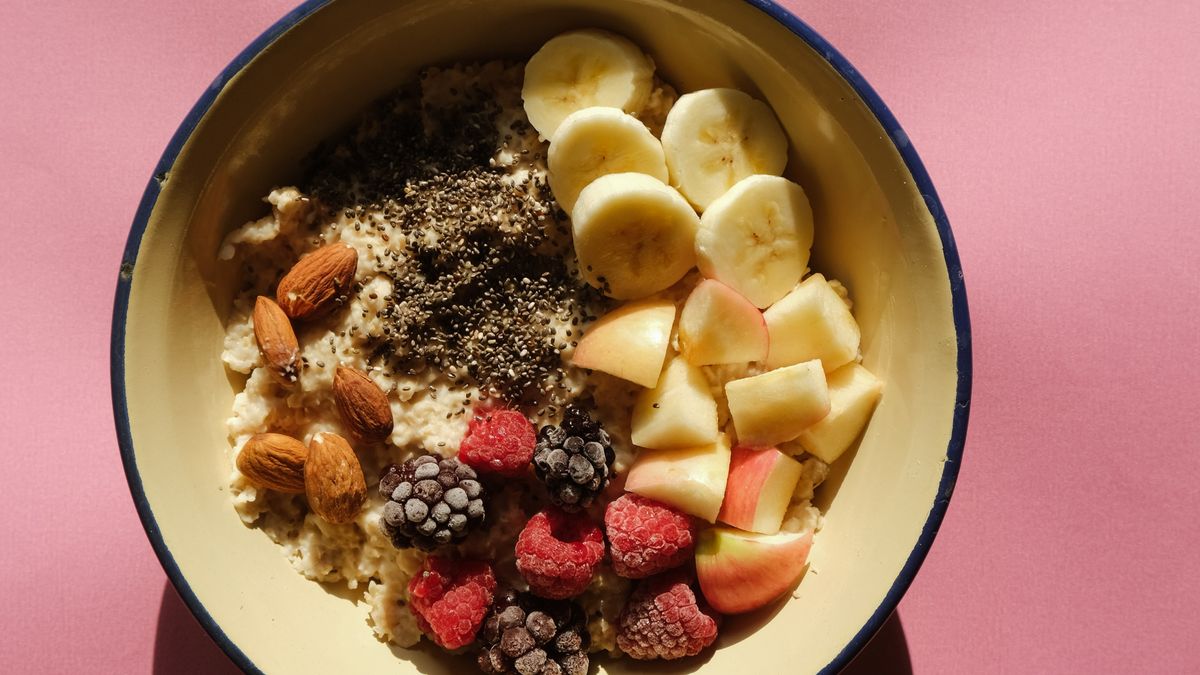
For research and educational purposes only. Not medical advice.
Category: GLP-1. 7 min read. By pepSmart Editorial. .
Key takeaways
- Constipation is common, and it is the gut effect that lingers. On semaglutide (Wegovy) it showed up in about 24 percent of people versus 11 percent on placebo, and on tirzepatide (Zepbound) in about 11 to 17 percent versus 5 percent .
- It outlasts the nausea. In a multidisciplinary expert consensus, constipation symptoms persisted for a median of about 47 days in people with obesity on GLP-1 therapy, longer than the other gut side effects .
- The cause is the mechanism, not a malfunction. GLP-1 drugs slow the gut on purpose; semaglutide delayed first-hour stomach emptying by about 27 percent in a crossover study, and the same slowing further down the line is what backs you up .
- What helps is unglamorous: more water, more fiber, more daily movement, and stool softeners, with dose changes left to your prescriber .
- Know the red line. No bowel movement for days plus a swollen, tender belly can signal a stalled gut (ileus), which the labels list among the serious reactions. That is a clinician call, not a fiber tweak .
Skip to:
- Why a GLP-1 backs you up
- How common it is, and the one number worth knowing
- The constipation playbook: what actually helps
- Is it worse on tirzepatide or semaglutide?
- When constipation is not just constipation
- The bottom line
Why a GLP-1 backs you up
Constipation on a GLP-1 is not a sign something has gone wrong. It is the same brake that makes the drug work, applied to the wrong end of the conversation. GLP-1 drugs slow the gut down on purpose: a slower stomach blunts the post-meal blood-sugar spike and keeps you full longer. In one crossover study, semaglutide delayed first-hour stomach emptying by about 27 percent compared with placebo .
That slowing does not stop at the stomach. When the whole digestive tract moves more slowly, stool spends longer in the colon, the colon pulls more water back out of it, and what is left is harder, drier, and slower to pass. Add the two habits that almost always come with appetite suppression, eating less food and drinking less fluid, and you have removed the bulk and the water that keep things moving. The drug sets the stage; the smaller meals finish the job.
How common it is, and the one number worth knowing
Constipation is common but not universal, and it sits behind nausea and diarrhea on the frequency list. Here is the trial-measured rate for the two approved weight-loss drugs, side by side, so you can see the size of it rather than guess from forum posts.
Pooled trial rates from the FDA prescribing information. Semaglutide is the Wegovy STEP trials; tirzepatide is across the 5, 10, and 15 mg doses. Trial averages, not personal odds.
| Drug | Constipation rate | Placebo |
|---|---|---|
| Semaglutide (Wegovy) | About 24% | About 11% |
| Tirzepatide (Zepbound) | About 11 to 17% | About 5% |
Semaglutide: Wegovy US prescribing information, adverse reactions table . Tirzepatide: Zepbound US prescribing information, adverse reactions table .
The number worth holding onto is not the rate, it is the duration. A multidisciplinary expert consensus on managing GLP-1 gut effects found that constipation symptoms persisted for a median of about 47 days in people with obesity on therapy, longer than the other gastrointestinal effects . Nausea is the loud one, but it tends to fade as your body settles at a dose. Constipation is the quiet one that keeps showing up, which is exactly why it earns its own routine rather than a single line in a side-effect roundup.
The constipation playbook: what actually helps
The fixes are boring, which is good news, because boring means cheap, safe, and within your control. The expert consensus points to the same short list clinicians reach for first: more fluid, more fiber, more movement, and stool softeners, with a dose conversation if it worsens .
- Drink more than feels necessary. A slowed colon pulls water out of stool, so you have to put it back. The consensus pairs generous fluid intake with fiber as the first step, and the GLP-1 diet guidance says the same .
- Keep fiber steady, not sudden. Adequate dietary fiber is on the first-line list, but ramp it up gradually with fluid alongside it; a fiber spike without water can make a slow gut feel worse .
- Move every day. Physical activity and general mobility are part of the consensus recommendation, and a daily walk is the lowest-effort version of it .
- Consider a stool softener. The consensus explicitly lists stool softeners as an option when food and fluid are not enough . Over-the-counter osmotic laxatives are a common next step, but which product and how often is a question for your pharmacist or prescriber, not a guess.
- Do not change the dose on your own. The consensus says a GLP-1 dose reduction should stay on the table if symptoms worsen, but that is a prescriber decision, made with you, not a knob to turn solo .
Two free habits pull in the same direction: do not skip meals just because your appetite is quiet, since food is the bulk your colon needs, and give yourself a calm, unhurried bathroom window, because a slow gut does not respond well to being rushed. None of this is a magic fix. Stacked together and started early, it is usually the difference between a manageable nuisance and a miserable month.
Is it worse on tirzepatide or semaglutide?
On the label numbers, constipation reads a little higher for semaglutide (about 24 percent) than for tirzepatide (about 11 to 17 percent), but these come from separate trials, not a head-to-head, so it is a loose comparison rather than a verdict . Both drugs share the same gut-slowing mechanism, and both put most of their gut effects into the dose-climb window, so neither is a constipation-free option.
The practical takeaway is that switching molecules to dodge constipation is rarely the lever that matters. The bigger levers are the boring ones above and the pace of your dose climb, which is your prescriber's call with you. If constipation is genuinely unmanageable on one drug, raising it with your prescriber is reasonable, but go in expecting a routine adjustment, not a guaranteed escape. For the wider side-effect picture across both drugs, see GLP-1 nausea and side effects: what actually helps.
When constipation is not just constipation
Almost all GLP-1 constipation is the ordinary, manageable kind that the fluid-fiber-movement routine handles. The reason to keep half an eye on it is that a gut built to slow down can, rarely, slow too much, and the warning signs are specific enough to recognize.
That caution is the exception, not the expectation. For most people, constipation on a GLP-1 is a slow-gut side effect you stay ahead of with water, fiber, and movement, and it eases as your routine catches up with the drug.
The bottom line
Constipation is one of the most common GLP-1 side effects and the one most likely to overstay its welcome: in people with obesity on therapy it persisted a median of about 47 days, well past the window where nausea usually settles . The cause is the same gut-slowing mechanism that makes the drug work, amplified by the smaller meals and lighter fluid intake that ride along with a quieter appetite.
The fixes are unglamorous and effective: more water, steady fiber, daily movement, and a stool softener when food and fluid are not enough, with any dose change left to your prescriber. Start the routine early rather than waiting for things to back up, keep an eye out for the rare red-flag pattern, and most people keep constipation in the nuisance column where it belongs.
For research and educational purposes only. Not medical advice.
pepSmart has not commissioned independent clinical review of this article.
More on how we write and source these pieces: Editorial process and contributor disclosure and Sourcing posture.
Spot an error? Email corrections via /about.
Sources: 5 entries, all primary canon (the FDA prescribing information for semaglutide and tirzepatide, a peer-reviewed multidisciplinary consensus on managing GLP-1 gut effects, a PubMed crossover study on gastric emptying, and a peer-reviewed GLP-1 management review), last reviewed 2026-06-28.
Related tools
- Tirzepatide dose calculator - Run tirzepatide-focused vial draw math.
- GLP-1 conversion calculator - Convert a GLP-1 mg dose to U-100 units and ml.
- GLP-1 ramp planner - Preview a linear educational dose-step table.
- Peptide half-life calculator - Estimate single-dose decay from cited half-life constants.
- PK simulator overview - Public overview of the Pro pharmacokinetic simulator.
- Semaglutide dose calculator - Run semaglutide-focused vial draw math.
References
- [1] WEGOVY (semaglutide) injection, US Prescribing Information: adverse reactions table (constipation 24% vs 11% placebo; gastrointestinal reactions increased during dose escalation) and Warnings (acute pancreatitis, gallbladder disease); ileus is reported in the Postmarketing Experience section (DailyMed (FDA label))
- [2] ZEPBOUND (tirzepatide) injection, US Prescribing Information: adverse reactions table across 5, 10, and 15 mg (constipation 11 to 17% vs 5% placebo; majority of gastrointestinal events during dose escalation) and Warnings (acute pancreatitis, gallbladder disease, severe gastroparesis); ileus is reported in the Postmarketing Experience section (DailyMed (FDA label))
- [3] Gorgojo-Martinez JJ, Mezquita-Raya P, Carretero-Gomez J, et al. Clinical Recommendations to Manage Gastrointestinal Adverse Events in Patients Treated with GLP-1 Receptor Agonists: A Multidisciplinary Expert Consensus. Journal of Clinical Medicine 2022 (PMID 36614945): constipation symptoms persisted a median of about 47 days in people with obesity on GLP-1 therapy, longer than other GI events; first-line management is increased fluid, fiber, and physical activity plus stool softeners, with dose reduction considered if symptoms worsen (PubMed)
- [4] Hjerpsted JB, et al. Semaglutide improves postprandial glucose and lipid metabolism, and delays first-hour gastric emptying in subjects with obesity. Diabetes, Obesity and Metabolism 2018 (PMID 28941314) (PubMed)
- [5] Noronha JC, Van Gaal LF, Neeland IJ, et al. Optimizing GLP-1 therapies for obesity and diabetes management. Obesity Pillars 2025 (PMC12661421): smaller, more frequent meals and avoiding high-fat foods for nausea, plus fiber and fluid guidance for constipation (PubMed Central)
For research and educational purposes only. Not medical advice.