Sulfur burps on GLP-1s: what to eat and what to cut
Sulfur burps are the rotten-egg gas (hydrogen sulfide) that builds up when a GLP-1 drug slows your stomach and sulfur-rich, high-fat food sits there longe…
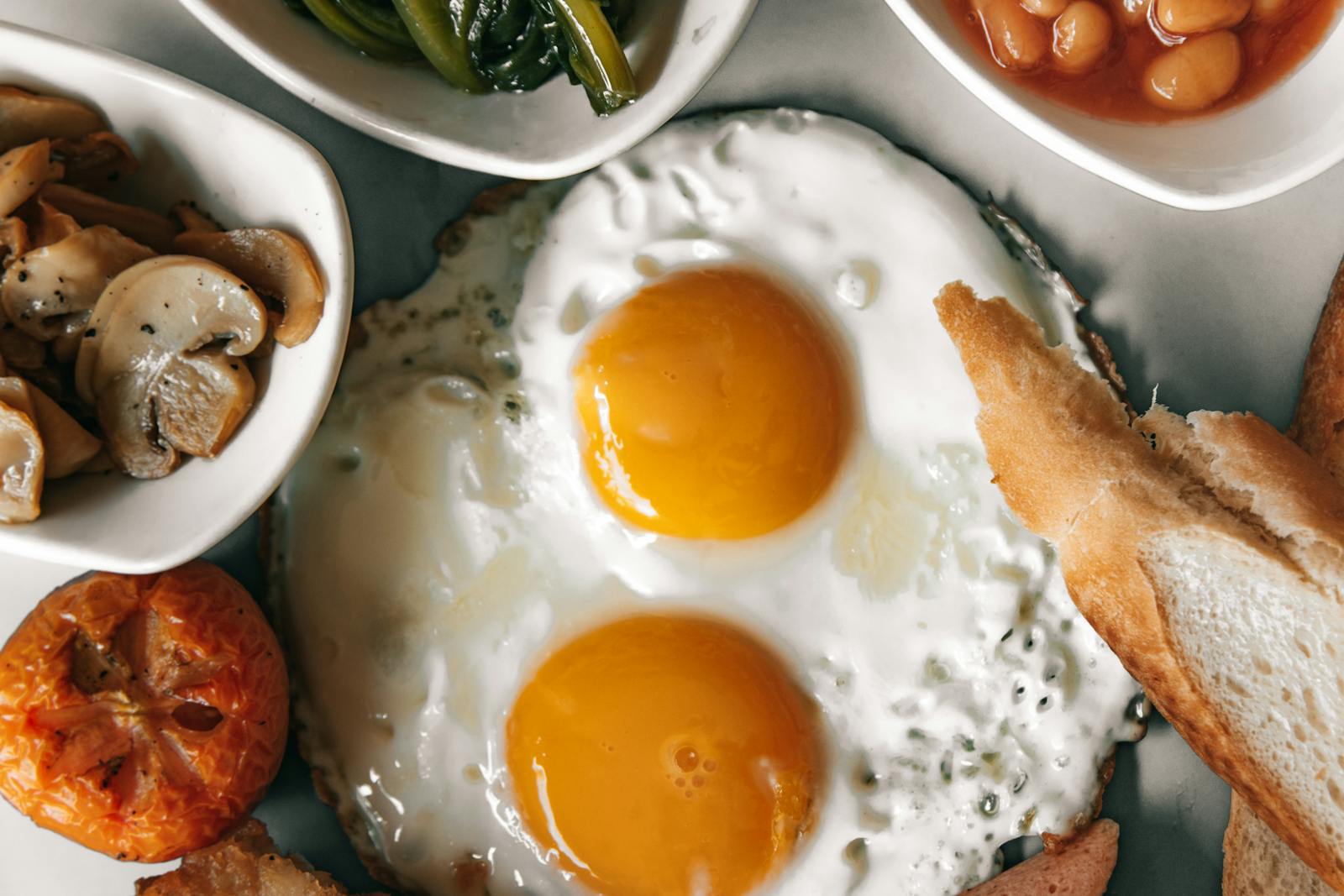
For research and educational purposes only. Not medical advice.
Category: GLP-1. 5 min read. By pepSmart Editorial. .
Key takeaways
- Sulfur burps are belches that smell like rotten eggs. That smell is hydrogen sulfide, the gas your gut bacteria make when they break down the sulfur in foods like eggs and meat .
- GLP-1 drugs slow your stomach on purpose. Semaglutide delayed first-hour stomach emptying by about 27 percent versus placebo, so food, and the gas it makes, hangs around longer .
- Belching is a real, documented GLP-1 effect, not just a forum story. On tirzepatide, eructation (the medical word for belching) was reported in up to 5 percent of people, against 1 percent on placebo .
- The fix is mostly food. Easing off high-sulfur foods (eggs, red meat, garlic, onions, cruciferous veg) and greasy meals pulls the fuel; clinicians also point to smaller meals and skipping fried food to calm GLP-1 gut symptoms .
- Two free levers help: chew slowly, and take a 10 to 15 minute walk after meals, which improved belching and bloating in a trial . Burps plus severe pain or vomiting you cannot stop is a doctor call, not a food tweak .
Your next 24 hours: the low-sulfur reset
The burps come from a fuel and a slowdown working together. Cut the fuel for a day or two and the smell usually goes with it. Here is the version you can actually shop and cook.
- Ease off: eggs, especially several at once. Eggs are famously high in sulfur, which is literally why rotten eggs smell the way they do .
- Ease off: big loads of red meat and other heavy protein. Stool sulfide rises right along with how much meat people eat .
- Ease off: the allium family, garlic, onions, leeks, and shallots, which are sulfur-heavy .
- Ease off: large piles of cruciferous veg, the broccoli, cauliflower, cabbage, and kale group .
- Ease off: fried, greasy, and very fatty meals (think pizza and fried chicken). Fat is hard to move through a slowed-down stomach, and clinicians flag high-fat food as a GLP-1 gut-symptom trigger because food already sits there longer .
- Lean on: smaller, lighter plates more often, instead of one big meal that sits heavy .
- Lean on: lower-sulfur carbs and produce, like rice, oats, potatoes, berries, cucumber, zucchini, and carrots.
- Lean on: water and easy fluids through the day. Some people also reach for ginger or peppermint tea.
- Lean on: a steady, moderate amount of fiber. Fiber both keeps things moving and is linked to lower hydrogen sulfide production in the gut .
Why the burps smell like that
Two things stack up. First, GLP-1 drugs slow your stomach down on purpose, because a slower stomach blunts the post-meal blood-sugar spike and keeps you full longer. In one crossover study, semaglutide delayed first-hour stomach emptying by about 27 percent compared with placebo .
Second, your gut bacteria make hydrogen sulfide when they break down sulfur-containing amino acids, the ones packed into protein-heavy foods like eggs and meat. That gas is the rotten-egg smell, and it climbs with how much protein and meat you eat .
Put them together and you get the burp. Food (and its sulfur) sits in a slowed-down stomach longer, the bacteria have more time to work, and the gas comes back up instead of moving on. It is not exotic, and it is not a sign the drug is broken.
The two free levers: chew slowly, walk after meals
Food choices do the heavy lifting, but two habits cost nothing and pull in the same direction. Eating slowly and chewing thoroughly means less swallowed air and smaller pieces hitting an already-slow stomach, so there is simply less to back up. It is the least glamorous fix on the list and one of the most reliable.
The other is a short walk after you eat. In a randomized trial of people with functional bloating (not GLP-1 users specifically, so read it as the mechanism, not a perfect match), a 10 to 15 minute walk after each meal improved belching, gas, and post-meal fullness, and it beat a standard gut-motility drug for bloating . Walking nudges gas and food along instead of letting them pool. The same lever applies when a GLP-1 has already put the brakes on.
One more thing worth a plain mention: the worst of the GLP-1 gut symptoms (nausea, vomiting, diarrhea) tend to show up during dose escalation and ease as you settle at a dose, which is exactly why the label says to climb the dose slowly . If the burps track your titration steps, that is the pattern to bring to whoever manages your prescription. How fast you climb is their call to make with you, not a knob to turn solo.
When it is not just burps
Sulfur burps on their own are annoying, not dangerous, and the food reset usually handles them. The reason to pay attention is the company they keep. A slowed stomach is the whole point of these drugs, but in rare cases it slows too much.
The bottom line
Rotten-egg burps on a GLP-1 are a food problem wearing a scary costume. A drug-slowed stomach plus sulfur-rich, fatty meals equals gas that comes back up. Lighten the sulfur and fat load for a day or two, eat smaller and slower, move a little after meals, and the smell usually clears on its own. The rare case that does not settle, or that comes with real pain, is the one worth a clinician's eyes.
For research and educational purposes only. Not medical advice.
pepSmart has not commissioned independent clinical review of this article.
More on how we write and source these pieces: Editorial process and contributor disclosure and Sourcing posture.
Spot an error? Email corrections via /about.
Sources: 7 entries, primary canon (two PubMed clinical studies, two peer-reviewed gut and GLP-1 management reviews, and the FDA tirzepatide label) plus two reputable secondary references (a consumer nutrition page and a hospital patient-education page), flagged as such in the citations, last reviewed 2026-06-04.
Related tools
- Tirzepatide dose calculator - Run tirzepatide-focused vial draw math.
- GLP-1 conversion calculator - Convert a GLP-1 mg dose to U-100 units and ml.
- GLP-1 ramp planner - Preview a linear educational dose-step table.
- Peptide half-life calculator - Estimate single-dose decay from cited half-life constants.
- PK simulator overview - Public overview of the Pro pharmacokinetic simulator.
- Semaglutide dose calculator - Run semaglutide-focused vial draw math.
References
- [1] Teigen LM, Biruete A, Khoruts A. Impact of diet on hydrogen sulfide production: implications for gut health. Current Opinion in Clinical Nutrition and Metabolic Care 2022 (PMC10413438) (PubMed Central)
- [2] Hjerpsted JB, et al. Semaglutide improves postprandial glucose and lipid metabolism, and delays first-hour gastric emptying in subjects with obesity. Diabetes, Obesity and Metabolism 2018 (PMID 28941314) (PubMed)
- [3] ZEPBOUND (tirzepatide) injection, US Prescribing Information: adverse reactions (eructation), Warnings and Precautions (severe gastroparesis), and postmarketing reports (ileus, intestinal obstruction) (DailyMed (FDA label))
- [4] Hosseini-Asl MK, Taherifard E, Mousavi MR. The effect of a short-term physical activity after meals on gastrointestinal symptoms in individuals with functional abdominal bloating: a randomized clinical trial. Gastroenterology and Hepatology from Bed to Bench 2021 (PMID 33868611) (PubMed)
- [5] Noronha JC, Van Gaal LF, Neeland IJ, et al. Optimizing GLP-1 therapies for obesity and diabetes management. Obesity Pillars 2025 (PMC12661421): smaller, more frequent meals and avoiding high-fat foods for nausea, plus fiber and fluid guidance (PubMed Central)
- [6] Foods High in Sulfur (consumer nutrition reference listing eggs, beef, fish, poultry, alliums, and cruciferous vegetables as high-sulfur foods) (WebMD)
- [7] GLP-1 Diet Guidance (patient-education page: limit high-fat foods such as fried foods, prioritize protein and fiber, because food stays in the stomach longer on GLP-1s) (Cleveland Clinic)
For research and educational purposes only. Not medical advice.