For research and educational purposes only. Not medical advice.
Does retatrutide cause low blood sugar (hypoglycemia)?
For most people using retatrutide for weight loss, no. Its GLP-1 and GIP arms only raise insulin when blood sugar is already high, and its third…
For research and educational purposes only. Not medical advice.
Category: GLP-1. 6 min read. By pepSmart Editorial. .
Key takeaways
- Retatrutide is a triple agonist: it hits the GIP, GLP-1, and glucagon receptors at once . Two of those arms barely push blood sugar down, and the third actively pushes it up.
- The GLP-1 and GIP side only tells your pancreas to release insulin when blood sugar is already high (glucose-dependent), so it does not keep dragging sugar down into a low .
- The glucagon arm does the opposite of causing a low. Glucagon's entire job in the body is to raise blood glucose .
- In the Phase 2 obesity trial (people without diabetes), the side effects that stood out were gut symptoms and a small rise in heart rate, not hypoglycemia .
- The real low-blood-sugar risk shows up when a GLP-1-type drug is combined with insulin or a sulfonylurea, and those are the medicines whose dose may need lowering .
The short answer, and the one situation to watch
| Your situation | Low-blood-sugar risk | Why |
|---|---|---|
| On retatrutide alone, no diabetes | Low | The GLP-1 and GIP arms only nudge insulin when sugar is already high, and the glucagon arm pushes sugar up |
| Type 2 diabetes, no insulin or sulfonylurea | Low to modest | In the diabetes trial retatrutide improved glucose control and was described as relatively safe |
| Also taking insulin or a sulfonylurea | Real, and the one to plan for | Those drugs lower sugar regardless of level, and the GLP-1 class raises hypoglycemia risk when stacked with them |
Mechanism and the combination warning from the semaglutide (GLP-1) FDA label ; glucagon's glucose-raising role from the NIH StatPearls chapter ; the diabetes-trial summary from a 2025 retatrutide review .
Why retatrutide's wiring makes a crash unlikely
Retatrutide pulls three levers at once. It is an agonist of the GIP, GLP-1, and glucagon receptors . To guess what it does to blood sugar, you just have to know what each lever does.
The GLP-1 part works the way semaglutide (Ozempic, Wegovy) does. It tells your pancreas to release insulin and to ease off glucagon, but both only in a glucose-dependent way . In plain terms: it acts when your blood sugar is high and backs off when it is normal. That glucose-dependence is the built-in brake. It is why this whole class rarely drives sugar down into a low on its own.
Then there is the part that is unique to retatrutide: the glucagon arm. Glucagon is the hormone your body releases to raise blood sugar when it dips, by telling the liver to make and release glucose . So retatrutide's third ingredient is, if anything, a force pushing the other way from a low.
Put the three together and you have two arms with a glucose-sensing brake and one arm that raises sugar. That is not the recipe for a crash. It is closer to the opposite.
What the trials actually showed about blood sugar
Mechanism is the theory. The trials are the test, and they line up with it.
In the Phase 2 obesity trial, where participants did not have diabetes, the adverse events that stood out were gastrointestinal (mostly mild to moderate, worst during the dose climb) and a dose-related bump in heart rate that peaked around 24 weeks. Low blood sugar was not one of the headline problems . For the full side-effect rundown, that is its own piece.
The diabetes side is just as telling. In people with type 2 diabetes, retatrutide improved blood-sugar control, with HbA1c reductions significantly greater than placebo, and a 2025 review summarizing the trials called it relatively safe . A drug that lowers a high A1c without a flood of lows is exactly what the glucose-dependent design predicts.
The real low-blood-sugar scenario: stacking with insulin or a sulfonylurea
There is one combination where lows stop being unlikely and become something to actually plan for: taking retatrutide alongside insulin or a sulfonylurea (older diabetes pills like glipizide, glimepiride, or glyburide).
The difference is that those two work without a brake. Insulin lowers your blood sugar whether it is high or already normal, and a sulfonylurea squeezes out insulin regardless of your current level. The semaglutide label spells out the result: combined with an insulin secretagogue or insulin, the risk of hypoglycemia, including severe hypoglycemia, goes up .
A true low versus just running on empty
Here is a practical mix-up worth heading off. These drugs kill your appetite, so a lot of people eat far less and feel weak, shaky, or wiped out, then assume their blood sugar crashed. If you are not on insulin or a sulfonylurea, that feeling is usually just undereating, not a true low.
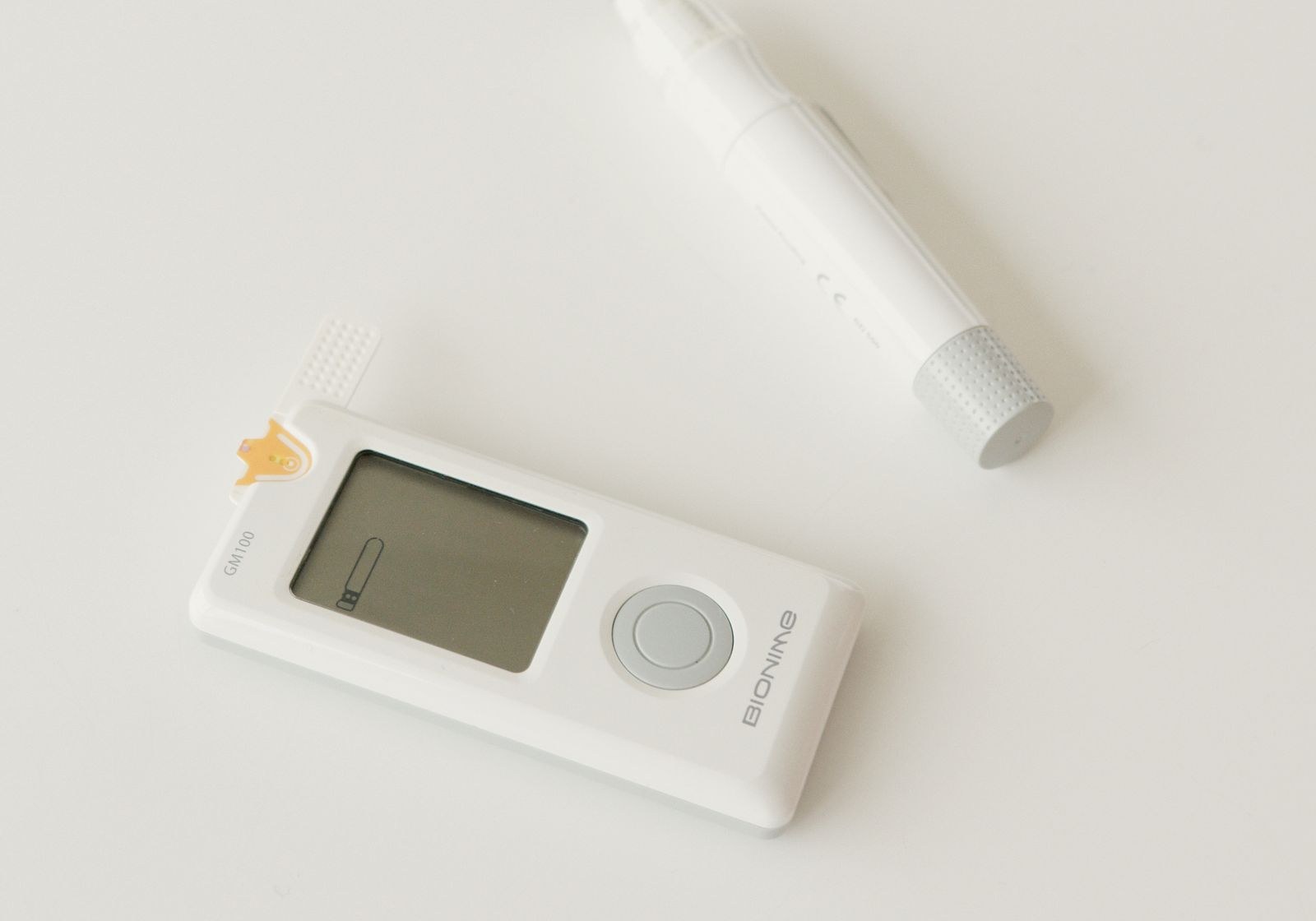
An actual low has a recognizable feel: shaky, sweaty, suddenly anxious or confused, with a racing heart. If you have a glucose meter, it settles the question in seconds. A genuine low is treated with fast-acting carbs, and if you are in the insulin or sulfonylurea group, keeping some glucose tabs or juice on hand is just sensible. Outside that group, the more common fix is simply eating something real on a regular schedule.
The honest read
For the typical person taking retatrutide to lose weight, low blood sugar is one of the things you can mostly cross off the worry list. The drug is built around a glucose-sensing brake, and it carries a glucagon arm that pushes sugar up, not down .
Two honest caveats. Retatrutide is still investigational, so its safety record comes from trials rather than an approved label, and the data keeps growing. And if you take insulin or a sulfonylurea, the calm answer above flips: lows are real, and the dose of those drugs is the thing to manage .
For research and educational purposes only. Not medical advice.
pepSmart has not commissioned independent clinical review of this article.
More on how we write and source these pieces: Editorial process and contributor disclosure and Sourcing posture.
Spot an error? Email corrections via /about.
Sources: 4 entries, primary canon plus one peer-reviewed review acknowledged inline (the retatrutide Phase 2 obesity trial, the semaglutide FDA label, the NIH StatPearls glucagon chapter, and a 2025 retatrutide review). Last reviewed 2026-06-28.
Related tools
- Tirzepatide dose calculator - Run tirzepatide-focused vial draw math.
- GLP-1 conversion calculator - Convert a GLP-1 mg dose to U-100 units and ml.
- GLP-1 ramp planner - Preview a linear educational dose-step table.
- Peptide half-life calculator - Estimate single-dose decay from cited half-life constants.
- PK simulator overview - Public overview of the Pro pharmacokinetic simulator.
- Semaglutide dose calculator - Run semaglutide-focused vial draw math.
References
- [1] Jastreboff AM, et al. Triple-Hormone-Receptor Agonist Retatrutide for Obesity, A Phase 2 Trial. N Engl J Med 2023 (PMID 37366315): retatrutide is an agonist of the GIP, GLP-1, and glucagon receptors; adverse events were mainly gastrointestinal plus a dose-related heart-rate rise (PubMed (New England Journal of Medicine))
- [2] OZEMPIC (semaglutide) injection prescribing information: Section 12.1 (stimulates insulin and lowers glucagon in a glucose-dependent manner) and the warning on hypoglycemia with concomitant insulin secretagogues or insulin (U.S. FDA via DailyMed)
- [3] Physiology, Glucagon. StatPearls, NCBI Bookshelf NBK537082: low plasma glucose stimulates glucagon, which promotes hepatic gluconeogenesis and glycogenolysis to raise blood glucose (NIH / NCBI Bookshelf (StatPearls))
- [4] Retatrutide: A Game Changer in Obesity Pharmacotherapy (2025 review, PMC12190491): HbA1c reductions significantly greater than placebo in people with type 2 diabetes, described as relatively safe (NIH / NCBI PMC (peer-reviewed review))