KLOW Stack KPV, LL-37, Oxytocin, and Wolverine: what the evidence actually supports
KLOW (KPV, LL-37, oxytocin, BPC-157, TB-500) is a community blend with no human stack trial. Each ingredient has separate, mostly preclinical evidence.
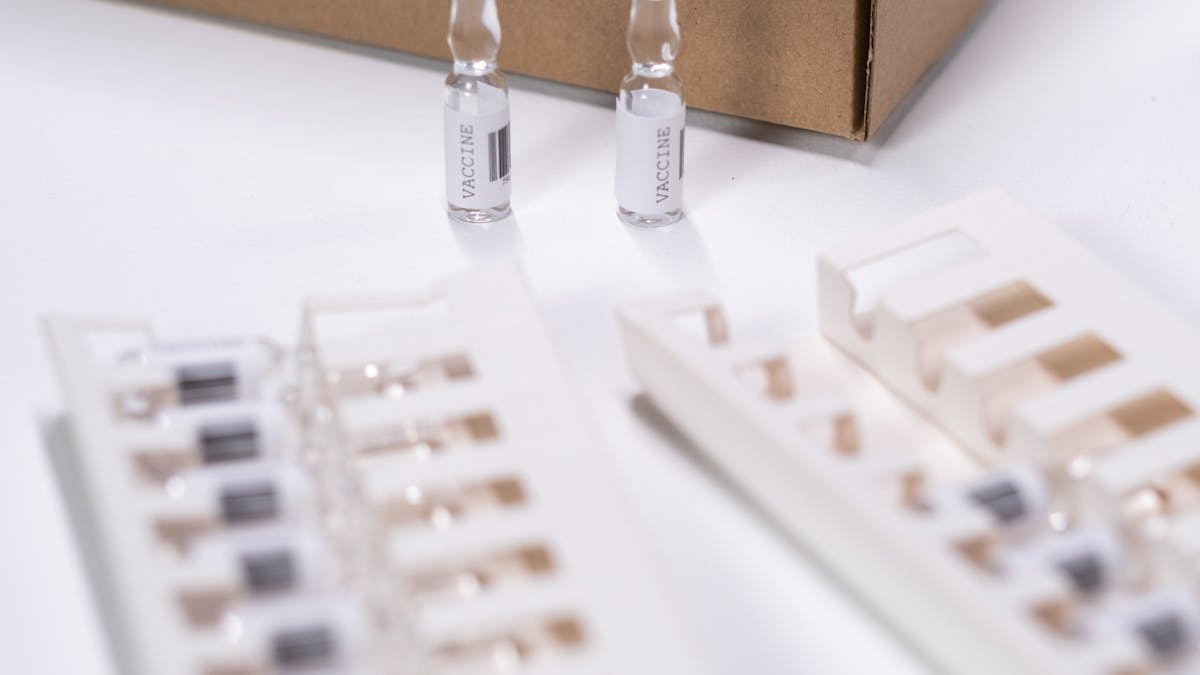
For research and educational purposes only. Not medical advice.
Category: Stacks. 12 min read. By pepSmart Editorial. .
Key takeaways
- KLOW is community shorthand for a four-ingredient blend: KPV, LL-37, Oxytocin, and the Wolverine pair of BPC-157 plus TB-500. The naming is not standardized; some vendor catalogs swap GHK-Cu in or describe a different recipe entirely .
- There is no registered KLOW stack human trial and no FDA-approved KLOW product. Every claim about the stack as a stack is mechanism inference layered on top of separate, mostly preclinical work on its parts .
- KPV is a 3-amino-acid C-terminal fragment of alpha-MSH with anti-inflammatory effects in rodent colitis models. Effect sizes are modest but reproducible; human RCTs at the doses sold to consumers are not in the published record .
- LL-37 is the only human cathelicidin antimicrobial peptide. Reviews describe broad antimicrobial, immunomodulatory, and wound-healing activity, while flagging that injected therapeutic use has not been established in large human trials .
- Oxytocin is a real FDA-approved drug for obstetric use (Pitocin), with a black-box-adjacent safety record around uterine hyperstimulation and water intoxication. Off-label social and metabolic uses are research, not labeled medicine .
- The Wolverine pair of BPC-157 and TB-500 has its own evidence gap. BPC-157 is animal-data heavy with a thin human record; TB-500 has an identity problem because the name is used for both a 7-residue fragment and full-length thymosin beta-4 .
- FDA has scheduled BPC-157 and TB-500 for Pharmacy Compounding Advisory Committee review in July 2026 for possible 503A bulks-list status. That is compounding-list review, not drug approval, and it does not extend to KPV, LL-37, or Oxytocin off-label use .
- Tested athletes should treat the stack as prohibited-risk territory. WADA lists BPC-157 under S0 and lists thymosin beta-4 and its derivatives, including TB-500, under S2 peptide hormones. Oxytocin is not banned by WADA at baseline, but a blended product can contain undeclared substances .
What is the KLOW stack?
KLOW is an acronym used in peptide forums and on vendor pages. The most common decoding is K for KPV, L for LL-37, O for Oxytocin, and W for Wolverine, where Wolverine is itself shorthand for a BPC-157 plus TB-500 pair. Some sellers package the four as separate vials. Others sell a single blended vial. The name is marketing shorthand for a research-peptide combination. It is not a labeled drug, an FDA-approved protocol, or a guideline-endorsed therapy.
Vendor descriptions are not consistent. At least one product line uses the same KLOW label for a different four-peptide recipe (for example, GHK-Cu plus KPV plus BPC-157 plus TB-500). Treat the acronym as a category label, not a fixed formula. A search of PubMed and ClinicalTrials.gov for KLOW as a stack returns no controlled trial of that specific combination at the time of writing .
This article is for research and educational purposes only. Not medical advice. It does not provide a dose, cycle, source, or treatment recommendation. The useful question is narrower. What is each ingredient, where does its evidence sit, and what does the combination promise that the individual evidence does not actually back up?
What KPV contributes, and what it does not
KPV is the C-terminal tripeptide of alpha-melanocyte-stimulating hormone, the sequence lysine-proline-valine. In rodent colitis models it shows reproducible anti-inflammatory effects when administered orally or intracolonically. Effect sizes are modest. The proposed mechanism is binding to melanocortin receptors on intestinal epithelium and leukocytes with downregulation of NF-kB signaling .
What this does not show. A KPV signal in mucosal mouse colitis does not validate subcutaneous injection in humans for skin, joint, or systemic indications. There is no published phase 2 or phase 3 KPV trial that I am aware of for the consumer use cases the KLOW marketing leans on (gut healing in healthy adults, skin inflammation, post-injection recovery, autoimmune adjuncts). FDA's current 503A bulks-list document lists KPV in interim categories, not as an approved drug .
If KPV is the K in the KLOW story you want to follow, the honest framing is preclinical mucosal anti-inflammatory peptide. The consumer use case is extrapolation, not labeled medicine.
What LL-37 contributes, and where the human gap is
LL-37 is the only cathelicidin-family antimicrobial peptide in humans. The 2016 review by Fabisiak and colleagues summarized its activity across immune, respiratory, gastrointestinal, and skin systems. The peptide is broad-spectrum antimicrobial, immunomodulatory, and chemotactic, and the authors flagged it as a therapeutic candidate that still needs clinical development . A 2013 review of polymicrobial infected wounds described LL-37 as a promising topical agent, with antimicrobial and anti-biofilm effects against multiple Gram-positive and Gram-negative pathogens .
What this does not show. The published LL-37 record is dominated by in-vitro work and animal models. There is no FDA-labeled LL-37 drug at the time of writing. FDA's compounding categorization includes Cathelicidin LL-37 on its withdrawn Category 2 table for compounding under 503A, which is not the same as approval and not the same as endorsement for injection . LL-37 also has documented dual biology. In some inflammatory skin conditions, including rosacea and psoriasis, LL-37 expression is dysregulated and the peptide is implicated in driving disease, not resolving it .
If LL-37 is the L in your KLOW story, the honest framing is an endogenous human antimicrobial peptide with a real preclinical and topical-wound research signal, no labeled injectable drug, and dual-edged biology in inflammatory skin disease.
What Oxytocin contributes, and why this one is different
Oxytocin is not a research peptide in the same sense as the others. It is an FDA-approved drug. Pitocin (oxytocin injection, USP) carries a labeled indication for the initiation or improvement of uterine contractions in obstetric settings, and the DailyMed label is explicit about uterine hyperstimulation, water intoxication, and other serious risks . That is a real labeled drug. Off-label uses in social cognition, bonding, autism research, and metabolic outcomes are separate from the labeled indication.
The intranasal oxytocin literature is the most cited basis for non-obstetric use, and it remains contested. Effects observed in trials may be mediated centrally without producing large systemic plasma concentrations, and central nervous system penetration from intranasal dosing is debated . None of this validates a subcutaneous oxytocin component inside a four-peptide blend for healing or recovery use cases.
What this does not show. There is no published controlled trial of subcutaneous oxytocin inside a KLOW-style blend for recovery, anti-inflammation, mood, or skin endpoints. A real FDA label for Pitocin is not the same as endorsement of off-label dosing in a research-grade vial mixed with three other peptides. If anything, the strong labeled-safety language for oxytocin is a reason to be more cautious in a stack context, not less.
What the Wolverine pair contributes (BPC-157 + TB-500)
BPC-157 is a 15-amino-acid lab-made peptide with a large rodent injury-healing record. A 2025 narrative review described the preclinical signal across tendon, ligament, muscle, and gastrointestinal injury models, pointed at VEGFR2 and nitric oxide signaling for mechanism, and was explicit that human efficacy is not confirmed and that the compound should still be viewed as investigational . A 2019 review reached the same conclusion six years earlier . The human record remains thin: small retrospective and case-report data, no published phase 2 or phase 3 trial in any indication.
TB-500 has an identity problem. A 2012 doping-control analysis described TB-500 as a veterinary preparation containing N-acetylated LKKTETQ, the 17-23 active region of thymosin beta-4 . Full-length thymosin beta-4 has a broader research literature, including ophthalmic programs such as RGN-259 in dry eye and neurotrophic keratopathy . Those programs are not the same as an unapproved injectable recovery blend. The full-length thymosin beta-4 evidence should not be assigned to every TB-500 product.
For a full-length evidence map of the Wolverine pair, see the dedicated PepSmart article on Wolverine Stack BPC-157 and TB-500. The short version: real preclinical signal on the BPC-157 side, real identity ambiguity on the TB-500 side, no controlled human stack trial for the pair, and no labeled product.
Does the KLOW combination have human evidence?
The short answer is no for the four-part stack as a stack. PubMed and ClinicalTrials.gov searches for KLOW as a peptide combination do not return a controlled human trial of the specific four-peptide formula at the time of writing . There is no FDA-labeled KLOW product. There is no published phase 2 or phase 3 trial showing that KPV plus LL-37 plus Oxytocin plus BPC-157 plus TB-500 outperforms any individual component, placebo, or standard care for any defined endpoint.
The KLOW marketing story is built by stacking mechanism narratives. KPV gives the anti-inflammatory bullet. LL-37 gives the antimicrobial and wound-modulation bullet. Oxytocin gives a social or anti-stress bullet borrowed from intranasal trials. BPC-157 and TB-500 give the tissue-repair bullet. Each bullet has its own evidence pedigree. Adding them together does not produce a verified combination effect. That would require a controlled trial of the combination, with product-identity testing, a defined indication, blinded review, and side-effect tracking.
- There is no published combination pharmacokinetic study for KPV, LL-37, Oxytocin, BPC-157, and TB-500 administered together.
- There is no published interaction profile for the four molecules in a single subcutaneous vehicle.
- There is no published sterility, identity, or stability data for blended KLOW vials sold on research-chemical sites.
- There is no FDA-approved KLOW indication and no FDA-approved KLOW route of administration.
FDA status in 2026: review is not approval
FDA's July 23-24, 2026 Pharmacy Compounding Advisory Committee meeting covers BPC-157-related and TB-500-related bulk drug substances on July 23. The agenda lists BPC-157 for ulcerative colitis and TB-500 for wound healing as the nominated uses under review . That is compounding-list review, not drug approval, and the meeting does not cover the four-part KLOW combination as such.
FDA's current 503A bulks-list document, updated May 14, 2026, lays out the interim categories used while substances are reviewed. Category 1 covers substances under review. Category 2 covers substances with significant safety concerns. KPV, LL-37, and Oxytocin off-label injection do not have approved-drug status through this process, and FDA explains that advisory-committee recommendations are advice, not final agency action .
Read any 2026 headline that says KLOW is cleared, approved, or de-risked as overstatement unless it points to specific final FDA action and a specific legal pathway. PCAC review is one input. It is not approval.
Risk framing for athletes and tested users
WADA's 2026 Prohibited List, effective January 1, 2026, names BPC-157 under S0 (non-approved substances) and lists thymosin beta-4 and its derivatives, including TB-500, under S2 peptide hormones, growth factors, related substances, and mimetics . USADA has separately warned athletes that BPC-157 is prohibited . Oxytocin is not on the WADA list as a prohibited substance at baseline, but an athlete consuming a blended vial cannot know the actual contents without independent identity testing, and contamination or undeclared substances are real risks in unregulated peptide products.
For tested athletes, KLOW is prohibited-risk territory because two of its named components are explicitly listed and because the blend itself is unregulated. PCAC review does not change WADA status. A compound can be on a US compounding meeting agenda and still be prohibited in sport.
How to read KLOW claims
Most KLOW guides skip the evidence ladder. They lead with a dose table or a vendor protocol. Then they backfill the science with KPV colitis papers, LL-37 antimicrobial reviews, intranasal oxytocin trials, and BPC-157 rodent papers. That structure makes the product feel settled before the reader has seen the limits.
- If a claim says KLOW heals the gut, ask whether it cites a human KLOW trial or a rodent KPV colitis paper attached to three other ingredients.
- If a claim says LL-37 is an immune booster, ask whether the cited paper is in-vitro, topical, or systemic injectable, and whether it accounts for the dual role of LL-37 in inflammatory skin disease.
- If a claim says oxytocin in KLOW is calming or bonding, ask whether the supporting study used intranasal oxytocin in a controlled trial or extrapolated from social-cognition literature to a subcutaneous blend.
- If a claim says the Wolverine half makes the rest work, ask whether the supporting study tested combinations or single-agent rodent models.
- If a claim says FDA changed the rules in 2026, ask whether it means advisory review, interim category status, 503A inclusion, or drug approval. PCAC review is not approval.
- If a claim comes from a vendor page, treat the vendor page as marketing and check primary sources separately on PubMed, ClinicalTrials.gov, DailyMed, and FDA.
The most defensible conclusion is modest. KLOW is a mechanistic research hypothesis built from four research-tier inputs (plus one labeled obstetric drug used off-label). The stack itself is unvalidated in humans. Each ingredient has its own real-but-narrow evidence story. The combination remains a research and regulatory question, not a settled therapy.
FAQ
Is KLOW the same product everywhere? No. The acronym is community-defined. Different vendors ship different recipes under the same KLOW name; the most common decoding is KPV, LL-37, Oxytocin, and Wolverine, but variants exist.
Is KLOW FDA-approved? No. There is no FDA-approved KLOW product and no approved indication. BPC-157 and TB-500 are scheduled for PCAC review in July 2026 for possible 503A compounding-list status; that is not drug approval .
Is KLOW safe? There is no controlled human safety trial of the four-peptide combination. Each individual ingredient has its own safety profile in its own indication, and Oxytocin is the only FDA-labeled drug among them with a formal safety section .
Is KLOW allowed in tested sport? Readers under WADA or WADA-like rules should treat it as prohibited-risk territory. WADA lists BPC-157 under S0 and lists TB-500 (as a thymosin beta-4 derivative) under S2 .
What about KLOW for gut health, skin, or recovery specifically? Each marketing claim borrows from a different single-ingredient literature: KPV for gut, LL-37 for antimicrobial / wound, BPC-157 and TB-500 for soft-tissue repair, Oxytocin for stress and bonding. None of those literatures was generated using the KLOW combination, and none of them included unregulated research-grade vials.
Editorial summary
KLOW is a four-peptide community label, not a defined product and not a labeled drug. KPV is a preclinical anti-inflammatory tripeptide. LL-37 is a real human antimicrobial peptide with dual-edged biology and no labeled injectable. Oxytocin is an FDA-approved obstetric drug whose off-label social and metabolic use is research, not labeled medicine. BPC-157 and TB-500 carry their own well-documented evidence gap.
For readers trying to separate signal from sales copy, the practical frame is the same as for the Wolverine pair. Do not start with a dosing chart. Start with molecule identity, human evidence per ingredient, FDA labeled status, sport status, and whether the cited paper studied the same product or the same combination. On those criteria, KLOW remains investigational at best and undefined at worst.
Related tools
- Protocol builder overview - Public overview of the Pro protocol builder.
- Peptide reconstitution calculator - Convert vial mass and BAC water volume into mcg/ml.
- BAC water calculator - Solve BAC water volume for a target concentration.
- Multi-dose vial calculator - Estimate doses per vial and a projected vial-empty date.
- Reconstituted-vial storage window calculator - Estimate a generic usable-window date and days remaining.
- Peptide half-life calculator - Estimate single-dose decay from cited half-life constants.
References
- [1] PubMed search: KLOW peptide stack (PubMed)
- [2] ClinicalTrials.gov search: KLOW peptide (ClinicalTrials.gov)
- [3] Kannengiesser et al. 2008, melanocortin-derived tripeptide KPV anti-inflammatory in murine IBD models, Inflammatory Bowel Diseases (PubMed)
- [4] Fabisiak et al. 2016 review of LL-37 cathelicidin pleiotropic activity, Pharmacological Reports (PubMed)
- [5] Duplantier and van Hoek 2013 review of LL-37 for polymicrobial infected wounds (PubMed)
- [6] Yamasaki et al. 2007, increased serine protease activity and cathelicidin promote skin inflammation in rosacea, Nature Medicine (PubMed)
- [7] DailyMed label: PITOCIN (oxytocin) injection, USP (DailyMed (NIH))
- [8] Leng and Ludwig 2016, Intranasal Oxytocin: Myths and Delusions, Biological Psychiatry (PubMed)
- [9] McGuire et al. 2025 narrative review of BPC-157 for musculoskeletal healing (PubMed)
- [10] Gwyer et al. 2019 review of BPC-157 and musculoskeletal soft-tissue healing (PubMed)
- [11] Ho et al. 2012 doping-control analysis of TB-500 and thymosin beta-4 17-23 fragment (PubMed)
- [12] Goldstein and Kleinman 2015 review of thymosin beta-4 basic and clinical applications (PubMed)
- [13] ClinicalTrials.gov NCT05555589: RGN-259 ophthalmic solution for neurotrophic keratopathy (ClinicalTrials.gov)
- [14] ClinicalTrials.gov NCT01387347: thymosin beta-4 ophthalmic solution in dry eye (ClinicalTrials.gov)
- [15] FDA Pharmacy Compounding Advisory Committee meeting, July 23-24, 2026 (FDA)
- [16] FDA bulk drug substances nominated for use in compounding under section 503A, updated May 14, 2026 (FDA)
- [17] FDA certain bulk drug substances for use in compounding that may present significant safety risks (FDA)
- [18] FDA advisory committees and final agency decision-making (FDA)
- [19] WADA prohibited list, effective January 1, 2026 (WADA)
- [20] USADA athlete advisory on BPC-157 (USADA)
For research and educational purposes only. Not medical advice.