Compounded semaglutide: a beginner's guide
Compounded semaglutide for beginners: it is the Ozempic and Wegovy drug, why the copy is not FDA-reviewed, side effects, and the vial-and-syringe risks.
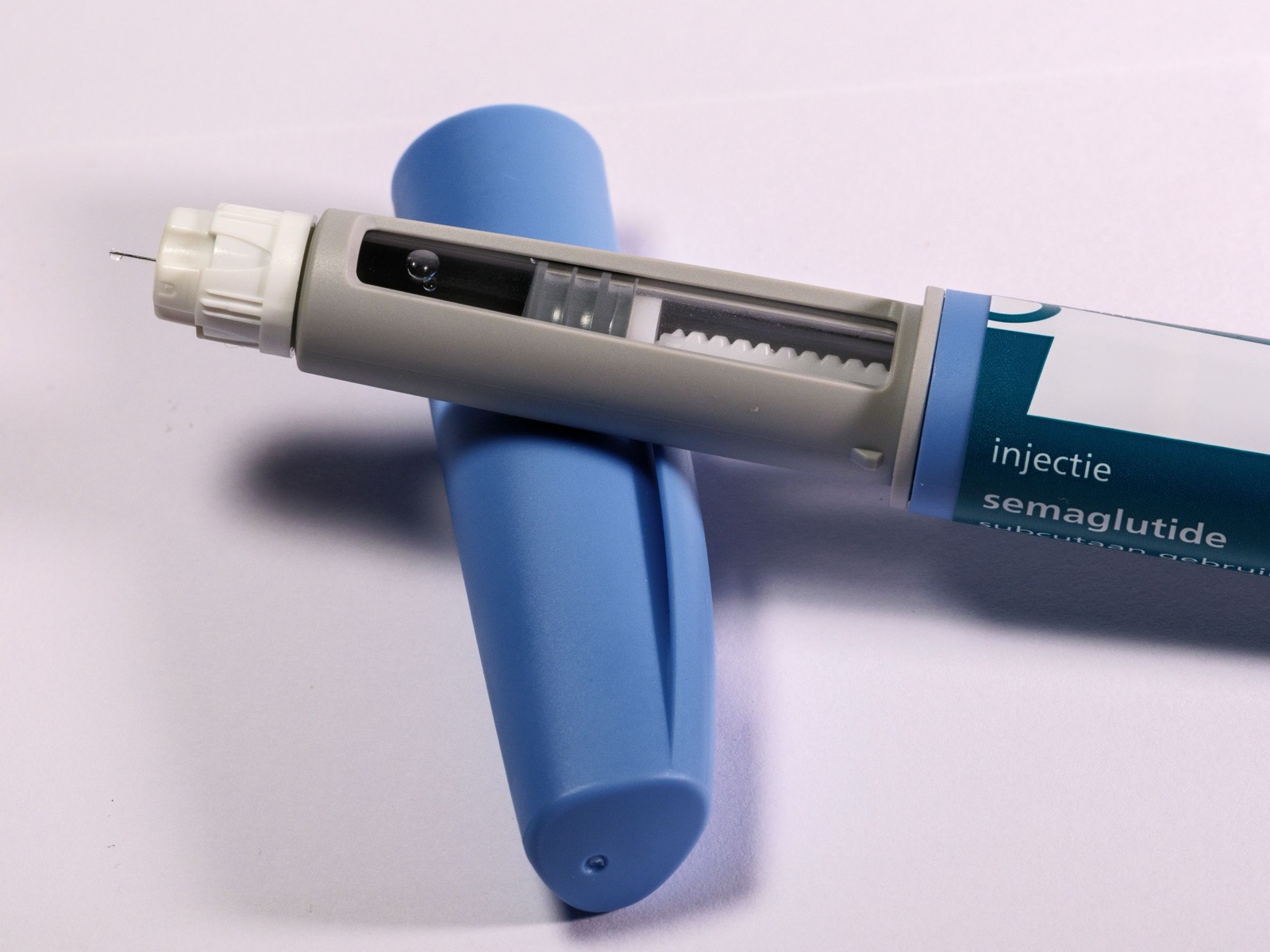
For research and educational purposes only. Not medical advice.
Category: GLP-1. 5 min read. By pepSmart Editorial. .
Key takeaways
- Semaglutide is the drug inside Ozempic and Wegovy, a GLP-1 receptor agonist that curbs appetite, lowers blood sugar, and slows the stomach . In the trial behind the weight-loss brand, it cut body weight by about 15 percent over 68 weeks, versus about 2 percent on placebo .
- Compounded semaglutide is a pharmacy-made copy, not the FDA-approved product. The FDA does not review compounded drugs for safety, effectiveness, or quality before they are sold, so a compounded vial's purity and strength are not verified .
- The vial-and-syringe format is where people get hurt. The FDA has logged overdoses, some needing hospitalization, where patients drew up 5 to 20 times the intended dose, partly from confusion between milliliters, milligrams, and units .
- You may not be getting real semaglutide. Some products use salt forms (semaglutide sodium or acetate) that the FDA says are different active ingredients than the approved drug, and the agency has warned about counterfeit Ozempic too .
- The common side effects are gut-related: nausea, vomiting, diarrhea, constipation, and belly pain . The label also carries a boxed warning for thyroid tumors seen in rodents and rules the drug out for anyone with a personal or family history of medullary thyroid cancer or MEN 2 .
- The rules are moving. The FDA declared the semaglutide shortage over in February 2025, which narrowed the legal lane for making copies , and in April 2026 it proposed excluding semaglutide from large-scale (503B) compounding, with comment open through June 29, 2026 (a proposal, not a finalized ban) .
The short version: a real drug, in a copy the FDA does not check
Semaglutide is a GLP-1 receptor agonist. That means it mimics GLP-1, a gut hormone your body releases after eating, which tells your brain you are full, nudges insulin up, and slows how fast your stomach empties . That mix is why it quiets appetite and helps with weight loss.
You have probably heard it by its brand names. Ozempic is the once-weekly injection approved for type 2 diabetes . Wegovy is the same molecule approved for weight management . Rybelsus is the once-daily tablet for diabetes, the only pill version . Compounded semaglutide is none of those. It is a copy a pharmacy mixes, sold mostly as a vial you inject with a syringe.
What people actually use it for
Almost everyone reaching for compounded semaglutide is after weight loss. It got popular during the 2022 to 2025 shortage, when Wegovy and Ozempic were hard to get or not covered by insurance, and telehealth clinics filled the gap with cheaper vial-and-syringe copies . So the pull is mostly about cost and access, not because the copy is proven to match the brand.
That is the honest framing. The appetite and weight-loss story comes from the FDA-approved product. A compounded vial is assumed to behave the same way, but nobody has run trials on the specific copy in your hand.
What the science shows: strong for the brand, thin for the copy
The evidence splits cleanly in two, and it is worth keeping the halves apart. The FDA-approved brands rest on large human trials. In STEP 1, the trial behind Wegovy, weekly semaglutide cut body weight by 14.9 percent over 68 weeks, against 2.4 percent for placebo . That result is real, and it is why the drug took off.
The compounded copy is a different story. By law the FDA does not review compounded drugs for safety, effectiveness, or quality before they reach you , so there is no trial, no purity check, and no confirmed strength for the specific vial. The trial numbers describe the branded drug. They are not proof that any given compounded vial delivers the same dose or the same result.
The catch: an unverified copy, a boxed warning, and moving rules
- Measuring errors are the headline risk. The FDA received reports of patients taking 5 to 20 times the intended dose of compounded semaglutide, some serious enough for hospitalization, driven by unfamiliarity with drawing from a vial and confusion between milliliters, milligrams, and units . This is the single thing worth slowing down on.
- You may not be getting real semaglutide. The FDA has flagged products using salt forms (semaglutide sodium and acetate) that are different active ingredients than the approved drug, and it is aware of counterfeit Ozempic sold in the US .
- Gut side effects are common and can turn serious. Nausea, vomiting, diarrhea, constipation, and belly pain are the usual ones . Heavy vomiting or diarrhea can dehydrate you and stress the kidneys, and severe stomach pain that may spread to your back can signal pancreatitis, so stop and seek urgent care for that .
- Watch the gallbladder and, in some people, low blood sugar. The label warns about acute gallbladder disease (upper-belly pain, fever, jaundice) . Semaglutide alone rarely drops blood sugar too low, but combined with insulin or a sulfonylurea the risk of hypoglycemia goes up, so those doses may need adjusting .
- There is a boxed warning for thyroid tumors. In rodents, semaglutide caused thyroid C-cell tumors; whether it does the same in people is not known, but the drug is ruled out for anyone with a personal or family history of medullary thyroid cancer or the MEN 2 syndrome .
- The rules are shifting. The FDA called the semaglutide shortage resolved in February 2025, which cut off the shortage exception compounders relied on , and in April 2026 it proposed excluding semaglutide from large-scale (503B) compounding, with comment open through June 29, 2026 (a proposal, not a ban; patient-specific 503A compounding is still lawful) . Check the FDA's current compounding guidance before you act.
How people take it, and where the real numbers live
If you are going to use it, the dose is the part to get right, because the format is unforgiving. Compounded semaglutide usually comes as a liquid in a multi-dose vial, and you draw each dose into a syringe yourself. There is no pre-set pen click to protect you, so the concentration of your specific vial is the number everything else depends on.
One habit worth building: check what you actually received. Because compounded strength is not FDA-verified, the concentration printed on the label is an assumption until your prescriber or pharmacy confirms it, and getting that one number wrong throws off every dose after it.
Where to read more
This guide is the on-ramp. When you want the detail, compounded vs labeled GLP-1s digs into how the copies differ from the branded drug, and what actually helps with GLP-1 side effects covers managing the nausea and the rest. Ozempic vs Wegovy: same drug, different label untangles the brand names, and the oral semaglutide pill explains where Rybelsus fits. The semaglutide library entry is the quick reference for the label-reference schedule, storage, and sources.
How we sourced this, and the fine print
Every claim on this page is pinned to a published source: the FDA-approved semaglutide labels on DailyMed, the FDA's compounding safety pages, the STEP 1 weight-loss trial, and the FDA's own shortage and compounding-policy notices. Where the data describes the branded drug and not the compounded copy, this guide says so instead of blurring the two.
For research and educational purposes only. Not medical advice.
pepSmart has not commissioned independent clinical review of this article.
More on how we write and source these guides: Editorial process and contributor disclosure and Sourcing posture.
Spot an error? Email corrections via /about.
Sources: 8 entries, all primary or authoritative government sources (the FDA, DailyMed via the US National Library of Medicine, and PubMed Central), last reviewed 2026-07-13.
Related tools
- GLP-1 conversion calculator - Convert a GLP-1 mg dose to U-100 units and ml.
- GLP-1 ramp planner - Preview a linear educational dose-step table.
- Peptide half-life calculator - Estimate single-dose decay from cited half-life constants.
- PK simulator overview - Public overview of the Pro pharmacokinetic simulator.
- Semaglutide dose calculator - Run semaglutide-focused vial draw math.
- Peptide reconstitution calculator - Convert vial mass and BAC water volume into mcg/ml.
References
- [1] DailyMed (US National Library of Medicine) - Ozempic (semaglutide) injection label; semaglutide is a GLP-1 analogue that selectively binds to and activates the GLP-1 receptor, stimulates insulin and lowers glucagon in a glucose-dependent way, and delays gastric emptying; approved once-weekly subcutaneous injection for type 2 diabetes; initiate at 0.25 mg once weekly for 4 weeks then escalate to reduce gastrointestinal adverse reactions; boxed warning for thyroid C-cell tumors (rodents; human relevance not determined), contraindicated with a personal or family history of medullary thyroid carcinoma (MTC) or Multiple Endocrine Neoplasia syndrome type 2 (MEN 2) (DailyMed (US National Library of Medicine))
- [2] DailyMed (US National Library of Medicine) - Wegovy (semaglutide) injection label; approved once-weekly subcutaneous injection for chronic weight management; the most common adverse reactions are gastrointestinal (nausea, diarrhea, vomiting, constipation, abdominal pain); warnings for acute pancreatitis (persistent severe abdominal pain, sometimes radiating to the back), acute kidney injury with dehydration from gastrointestinal adverse reactions, and acute gallbladder disease; increased risk of hypoglycemia (clinically significant hypoglycemia 6.2% vs 2.5% of placebo in type 2 diabetes) when combined with insulin or an insulin secretagogue such as a sulfonylurea (DailyMed (US National Library of Medicine))
- [3] DailyMed (US National Library of Medicine) - oral semaglutide (Rybelsus) tablet label; oral semaglutide is taken as one tablet orally once daily on an empty stomach to improve glycemic control in adults with type 2 diabetes, the only non-injectable semaglutide (DailyMed (US National Library of Medicine))
- [4] US Food and Drug Administration (FDA) - FDA's Concerns with Unapproved GLP-1 Drugs Used for Weight Loss; compounded drugs are not FDA approved and the agency does not review them for safety, effectiveness, or quality before they are marketed; salt forms including semaglutide sodium and semaglutide acetate are different active ingredients than are used in the approved drugs; FDA is aware of counterfeit Ozempic marketed in the US (US Food and Drug Administration)
- [5] US Food and Drug Administration (FDA) - FDA alerts health care providers, compounders, and patients of dosing errors associated with compounded injectable semaglutide products (content current as of 07/26/2024); FDA received reports of adverse events, some requiring hospitalization, from overdoses due to dosing errors, with patients administering five to 20 times more than the intended dose, and confusion between milliliters, milligrams, and units contributing (US Food and Drug Administration)
- [6] PubMed Central (PMC) - Efficacy and Safety of Once-Weekly Subcutaneous Semaglutide 2.4 mg in Adults With Overweight or Obesity (STEP 1), Wilding et al. 2021 (PMC-hosted J Endocr Soc record of the STEP 1 trial); mean body-weight change from baseline to week 68 was -14.9% with semaglutide versus -2.4% with placebo (evidence for the FDA-approved product, not any compounded copy) (PMC)
- [7] US Food and Drug Administration (FDA) - FDA clarifies policies for compounders as national GLP-1 supply begins to stabilize; on 2/21/2025 the FDA determined the shortage of semaglutide injection products (a GLP-1 medication) is resolved, having been in shortage since 2022; with semaglutide off the shortage list, compounders can no longer rely on the shortage exception to make essentially a copy of the approved drug (US Food and Drug Administration)
- [8] US Food and Drug Administration (FDA) - FDA Proposes to Exclude Semaglutide, Tirzepatide, and Liraglutide on 503B Bulks List (for immediate release April 30, 2026); the FDA proposed excluding semaglutide (with tirzepatide and liraglutide) from the 503B outsourcing-facility bulks list, finding no clinical need for outsourcing facilities to compound them from bulk substances, with public comment open through June 29, 2026 (a proposal, not a finalized ban) (US Food and Drug Administration)
For research and educational purposes only. Not medical advice.