Wolverine Stack BPC-157 and TB-500: what the evidence actually supports
Wolverine Stack BPC-157 and TB-500 is an informal recovery pairing, not a proven protocol. Compare evidence, FDA status, and WADA risk.
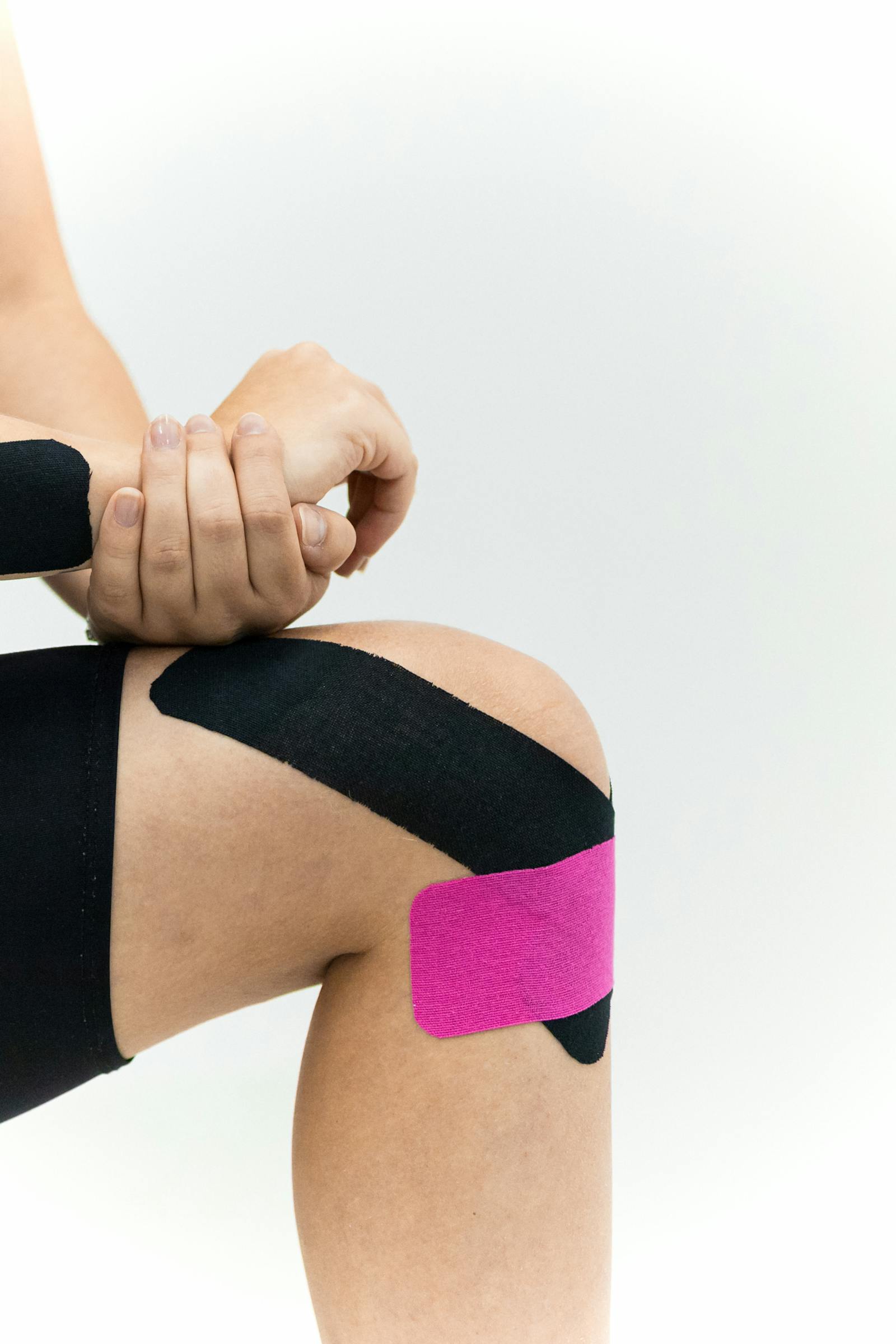
For research and educational purposes only. Not medical advice.
Category: Peptides. 10 min read. By pepSmart Editorial. . .
Key takeaways
- The Wolverine Stack BPC-157 and TB-500 pairing is an informal community term. It is not an FDA-approved drug, a standard medical protocol, or a proven recovery treatment.
- BPC-157 is a lab-made 15-amino-acid peptide. Animal studies are the main reason people discuss it, but human evidence is thin. A 2025 review said large human trials are still needed before clinical use can be judged .
- TB-500 is a label, not a single molecule. The name has been used for both full-length thymosin beta-4 (43 amino acids) and the N-acetylated LKKTETQ 17-23 fragment. A 2012 doping-control paper documented the short fragment in seized samples , but in 2026 most product sold under the TB-500 label is the full-length thymosin beta-4 and the short fragment is the less common case. The two are distinguishable on a certificate of analysis by CAS number and molecular weight.
- Full-length thymosin beta-4 has more human study than TB-500, mainly in eye and wound programs. That does not validate every commercial TB-500 blend vial .
- FDA has scheduled BPC-157 and TB-500 for Pharmacy Compounding Advisory Committee review on July 23, 2026. The meeting is about possible 503A compounding-list status, not drug approval .
- Tested athletes should treat the stack as prohibited-risk territory. WADA lists BPC-157 under S0 and lists thymosin beta-4 and its derivatives, including TB-500, under S2 .
What is the Wolverine Stack BPC-157 and TB-500 pairing?
The Wolverine Stack BPC-157 and TB-500 phrase comes from peptide forums, not from a clinical guideline. It usually means pairing BPC-157 with TB-500 for tendon, ligament, muscle, joint, or post-procedure recovery. Some sellers package the pair as separate vials. Others sell a single blended vial. In both cases, the name is marketing shorthand for two research peptides. It is not a standard drug product.
This article is for research and educational purposes only. Not medical advice. It does not provide a dose, cycle, source, or treatment recommendation. The useful question is narrower. What evidence sits behind the two ingredients? Where do community claims outrun the data?
Why the Wolverine Stack keeps coming up
Recent community questions cluster around the same worries. Is BPC-157 plus TB-500 better than BPC-157 alone? Does a pre-mixed vial change the math? Is the pair useful after surgery? Does FDA's 2026 compounding review mean these peptides are newly cleared? The pattern is easy to understand. People are often dealing with stubborn tendon pain, slow rehab, or worry after a procedure.
That demand signal is not evidence by itself. It tells us what readers need answered. It does not prove that the stack works. It does not prove that a vial contains the stated molecule. It also does not make community dose templates safe. The PepSmart BPC-157 evidence map covers one half of the pair in detail. The FDA peptide compounding article covers the July 2026 review. This article sits between those two as a stack-level evidence check.
What BPC-157 contributes to the stack idea
BPC-157 is the reason the stack became popular. The peptide has a large animal-study record around tendon, ligament, and muscle injury models. A 2019 review focused on soft-tissue healing. It found positive reports across several injury types. It also noted that most work used small rodent models and that human efficacy had not been confirmed .
The 2025 review by McGuire and colleagues is the more current check. It describes possible mechanisms, including VEGFR2, nitric oxide signaling through Akt-eNOS, new blood-vessel growth, fibroblast activity, and nerve-muscle support. It also states the key limit plainly. Human data are very limited. Only a few pilot studies exist. No large trial has shown safety and efficacy. The compound should be viewed as investigational until better human trials are done .
That means the BPC-157 side of the Wolverine Stack has a real research signal. It is not a clinical evidence base. It is an animal-study signal with a large human gap. The gap matters most for chronic injuries, post-surgical recovery, and pain. In those settings, placebo response, rest, rehab, time, and normal healing can all look like a compound effect.
What TB-500 contributes, and why identity matters
TB-500 is harder to discuss because the name has been used for two different molecules. In a 2012 doping-control study, TB-500 was described as a veterinary preparation containing N-acetylated LKKTETQ, the peptide segment from positions 17-23 of thymosin beta-4. That fragment is linked to actin binding, cell movement, and wound-healing biology . That older finding got generalized in many community write-ups into a flat 'TB-500 sold to consumers is the fragment' claim. Current 2026 market reality on certificates of analysis is the other way around: most product sold under the TB-500 label is the full 43-residue thymosin beta-4, and the short 17-23 fragment is the less common case. The two are easy to tell apart on a COA by CAS number and molecular weight (full-length thymosin beta-4 is roughly 4963 Da; the LKKTETQ 17-23 fragment is roughly 861 Da).
Full-length thymosin beta-4 is a 43-amino-acid peptide with a broader literature. Reviews describe it as a peptide involved in cell movement, inflammation, new blood-vessel growth, and tissue repair. Goldstein and Kleinman summarized basic and clinical uses in 2015. The programs included eye injury, skin wounds, heart repair, and nerve repair .
The key issue is simple. Full-length thymosin beta-4 evidence should not be assigned to every TB-500 product. ClinicalTrials.gov records include RGN-259, a thymosin beta-4 eye solution, in dry eye and neurotrophic keratopathy trials . Those eye-drug programs are not the same as an unapproved injectable recovery blend used for a knee, shoulder, or tendon complaint.
Does the Wolverine Stack have human trial data?
The short answer is no for the stack as a stack. I did not identify a registered BPC-157 plus TB-500 combination trial in ClinicalTrials.gov or PubMed searches for the pair . There is no FDA label for the combination. There is no standard indication. There is no validated dose schedule. There is no completed phase 2 or phase 3 human trial showing that the pair improves tendon healing, surgical recovery, joint pain, or return-to-sport outcomes.
The combination idea is built from two separate mechanism stories. BPC-157 is usually framed as blood-vessel, cell-protection, and local-tissue biology. TB-500 or thymosin beta-4 is usually framed around actin, cell movement, inflammation, and tissue repair. Those mechanisms can sound like they fit together. That is not the same as proven synergy in humans.
A proper stack trial would need four arms: placebo or standard rehab, BPC-157 alone, TB-500 or a clearly defined thymosin beta-4 product alone, and the combination. It would also need a defined injury. It would need objective endpoints, imaging or function tests, blinded review, product identity testing, and side-effect tracking. Without that design, no one can know whether the pair adds value beyond either compound alone or normal recovery.
FDA status in 2026: review is not approval
FDA's July 23-24, 2026 Pharmacy Compounding Advisory Committee meeting is one reason the Wolverine Stack is being discussed again. The official agenda lists BPC-157-related bulk drug substances and TB-500-related bulk drug substances for July 23. BPC-157 is listed for ulcerative colitis. TB-500 is listed for wound healing . Ulcerative colitis is an inflammatory bowel disease.
That is a compounding-list process. It is not an FDA approval pathway for the Wolverine Stack. It does not create a labeled recovery protocol. FDA's current 503A bulk-substance document explains the interim categories used while substances are reviewed. Category 1 covers substances under review. Category 2 covers substances with major safety concerns . The July meeting asks whether certain bulk substances should be recommended for the 503A Bulks List.
Even a favorable advisory vote would still be non-binding. FDA explains that advisory committee recommendations are advice and do not bind the agency . FDA would need later rulemaking before the legal posture is settled. A reader should treat 2026 headlines about BPC-157 or TB-500 being back, cleared, or approved as overstatements unless they point to a final FDA action and a specific legal pathway.
Risk framing for athletes and tested users
The anti-doping side is separate from FDA compounding. WADA's 2026 Prohibited List is effective January 1, 2026. It lists BPC-157 under S0, the class for non-approved substances . USADA has also warned athletes that BPC-157 is prohibited .
TB-500 is also directly named. WADA lists thymosin beta-4 and its derivatives, with TB-500 as an example, under S2 peptide hormones, growth factors, related substances, and mimetics. A mimetic is a substance that acts like another substance . PCAC review does not change WADA status. A compound can be discussed in an FDA compounding meeting and still be prohibited in sport.
How to read Wolverine Stack claims
Most online Wolverine Stack guides skip the evidence ladder. They often start with a dose table. Then they backfill the science with BPC-157 rodent papers and thymosin beta-4 wound-healing papers. That structure makes the product feel settled before the reader sees the limits.
- If a claim says the stack heals tendons, ask whether it cites a human tendon trial of the pair or an animal study of only one ingredient.
- If a claim says TB-500 has human data, ask which molecule the study actually used. Was it full-length thymosin beta-4, an eye solution, a topical gel, or the 17-23 LKKTETQ fragment, and does that match the molecule on the COA for the vial being sold?
- If a claim says a blend vial is easier, ask whether stability was tested after both peptides were mixed in the same vial.
- If a claim says FDA changed the rules in 2026, ask whether it means advisory review, interim category status, 503A Bulks List inclusion, or drug approval.
- If a claim comes from a vendor page, treat the vendor page as marketing. Check the primary sources separately on PubMed, ClinicalTrials.gov, FDA, DailyMed, or WADA.
The most defensible conclusion is modest. The Wolverine Stack is a mechanistic research hypothesis built from two research peptides. The stack itself is unvalidated in humans. BPC-157 has the more direct animal-study story for muscle and tendon. TB-500 borrows much of its credibility from thymosin beta-4 biology. The combination remains a research and regulatory question, not a settled recovery tool.
FAQ
Is the Wolverine Stack just BPC-157 and TB-500? Usually yes. In peptide communities, Wolverine Stack most often means BPC-157 plus TB-500. Some sellers add other compounds or use the name for a pre-blended vial.
Is TB-500 the same as thymosin beta-4? Not always, but in 2026 it usually is. Most current product sold under the TB-500 label is the full 43-residue thymosin beta-4; the older N-acetylated 17-23 LKKTETQ fragment shows up as the less common case. Many clinical studies use full-length thymosin beta-4 products such as RGN-259. The only reliable way to know which molecule is in a given vial is the CAS number and molecular weight on the certificate of analysis .
Is there a proven Wolverine Stack dose? No. There is no FDA-approved dose, no label, and no human trial that validates a stack schedule for injury recovery.
Did FDA approve BPC-157 or TB-500 in 2026? No. FDA scheduled both for PCAC review for possible 503A compounding-list consideration. That is not drug approval and not a Wolverine Stack protocol .
Is the stack allowed in tested sport? Readers subject to WADA or WADA-like rules should treat it as prohibited-risk territory. WADA lists BPC-157 under S0 and lists thymosin beta-4 derivatives, including TB-500, under S2 .
Editorial summary
The Wolverine Stack is popular because it offers a simple story for a hard problem: slow tissue recovery. The science is less simple. BPC-157 has a research signal, but mostly from animal work. TB-500 has a product-identity problem. It leans heavily on full-length thymosin beta-4 research. The pair has no controlled human stack trial.
For readers trying to separate signal from sales copy, the practical frame is this: do not start with a dosing chart. Start with molecule identity, human evidence, FDA status, sport status, and whether the cited paper studied the same product. On those criteria, the Wolverine Stack remains investigational.
Related tools
- Protocol builder overview - Public overview of the Pro protocol builder.
- Peptide reconstitution calculator - Convert vial mass and BAC water volume into mcg/ml.
- BAC water calculator - Solve BAC water volume for a target concentration.
- Multi-dose vial calculator - Estimate doses per vial and a projected vial-empty date.
- Reconstituted-vial storage window calculator - Estimate a generic usable-window date and days remaining.
- Peptide half-life calculator - Estimate single-dose decay from cited half-life constants.
References
- [1] McGuire et al. 2025 narrative review of BPC-157 for musculoskeletal healing (PubMed)
- [2] Gwyer et al. 2019 review of BPC-157 and musculoskeletal soft-tissue healing (PubMed)
- [3] Ho et al. 2012 doping-control analysis of TB-500 and thymosin beta-4 17-23 fragment (PubMed)
- [4] Goldstein and Kleinman 2015 review of thymosin beta-4 basic and clinical applications (PubMed)
- [5] ClinicalTrials.gov NCT05555589: RGN-259 ophthalmic solution for neurotrophic keratopathy (ClinicalTrials.gov)
- [6] ClinicalTrials.gov NCT01387347: thymosin beta-4 ophthalmic solution in dry eye (ClinicalTrials.gov)
- [7] FDA Pharmacy Compounding Advisory Committee meeting, July 23-24, 2026 (FDA)
- [8] FDA bulk drug substances nominated for use in compounding under section 503A, updated May 14, 2026 (FDA)
- [9] FDA advisory committees and final agency decision-making (FDA)
- [10] WADA prohibited list, effective January 1, 2026 (WADA)
- [11] USADA athlete advisory on BPC-157 (USADA)
- [12] ClinicalTrials.gov search: BPC-157 and TB-500 (ClinicalTrials.gov)
- [13] PubMed search: BPC-157 and TB-500 (PubMed)
For research and educational purposes only. Not medical advice.