Tirzepatide: answers to the most common questions
Tirzepatide (Mounjaro and Zepbound) explained: how it works, the weekly dose schedule, how much weight people lose, side effects, and what stopping does.
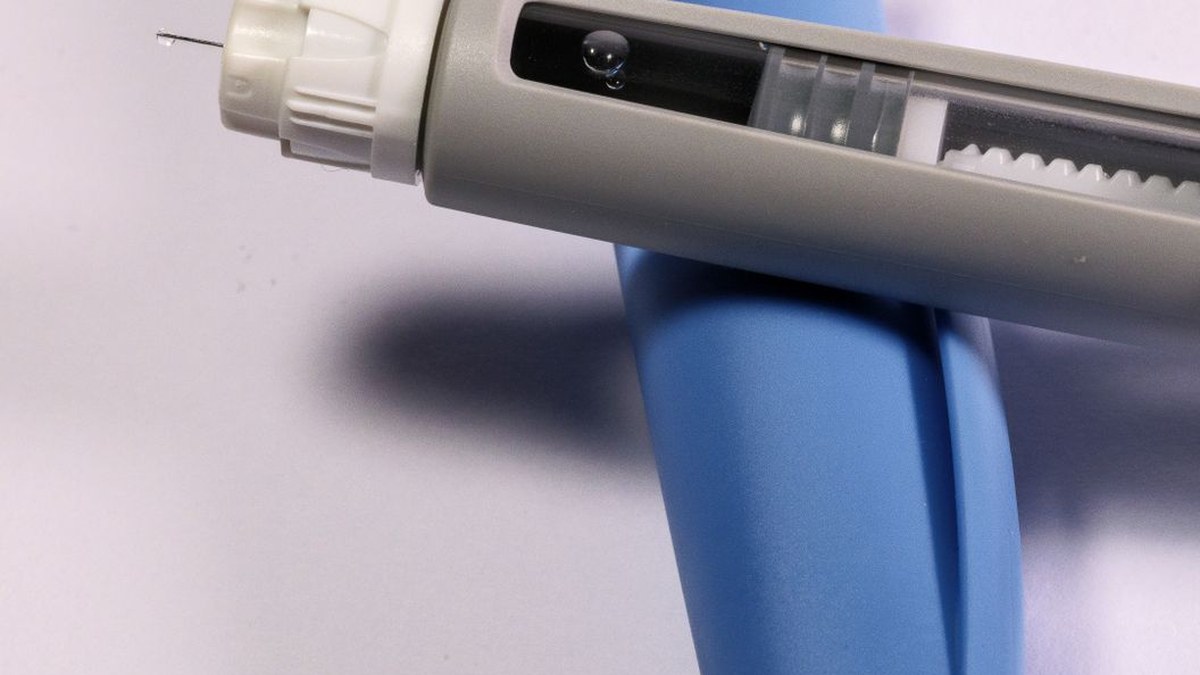
For research and educational purposes only. Not medical advice.
Category: GLP-1. 9 min read. By pepSmart Editorial. .
Key takeaways
- Tirzepatide is one drug with two brand names: Mounjaro is the type 2 diabetes version, Zepbound is the weight-management version (also approved for moderate to severe sleep apnea in people with obesity). Both are the same molecule and both are a once-a-week injection .
- It is a dual agonist, meaning it switches on two gut-hormone receptors at once, GIP and GLP-1 .
- The dose climbs slowly on purpose: start at 2.5 mg once weekly for 4 weeks, then step up by 2.5 mg no sooner than every 4 weeks, up to a maximum of 15 mg .
- In the SURMOUNT-1 obesity trial (72 weeks, people without diabetes), average weight loss was 15.0 percent at 5 mg, 19.5 percent at 10 mg, and 20.9 percent at 15 mg, versus 3.1 percent on placebo .
- Side effects are mostly gut-related, and the weight usually comes back if you stop: in the SURMOUNT-4 withdrawal trial, people switched to placebo regained weight (up 14.0 percent) while those who kept taking it lost a little more (down 5.5 percent) .
Skip to:
- The short answers
- Mounjaro and Zepbound are the same drug
- It works two hunger hormones at once
- The dose climbs slowly, on purpose
- One shot a week, into the fat under your skin
- How much weight people lost in the trials
- Most side effects are gut side effects
- The weight usually comes back if you stop
- Where these numbers come from, and where to go next
The short answers
The table below answers each question in a line. The rest of the page explains each one in more detail.
Quick answers, all pulled from the FDA labels and the trials. Numbers are trial averages in supervised studies, not a promise about you.
| The question | The short answer |
|---|---|
| Is Mounjaro the same as Zepbound? | Yes. Both are tirzepatide. Mounjaro is the type 2 diabetes brand, Zepbound is the weight and sleep-apnea brand . |
| How often do I take it? | One injection a week, under the skin, on the same day each week . |
| How is it dosed? | Start at 2.5 mg once weekly, step up by 2.5 mg no sooner than every 4 weeks, up to a max of 15 mg . |
| Where do I inject it? | The belly, the thigh, or the back of the upper arm . |
| How much weight do people lose? | In SURMOUNT-1, about 15 to 21 percent on average over 72 weeks depending on the dose, versus about 3 percent on placebo . |
| What are the main side effects? | Mostly digestive: nausea, diarrhea, constipation, and vomiting . |
| Do I have to take it forever? | The weight tends to return if you stop. In SURMOUNT-4, the group switched to placebo regained (up 14.0 percent) . |
| What if I miss a dose? | Take it within 4 days (96 hours). If more time has passed, skip it and go back to your normal day . |
Mounjaro and Zepbound are the same drug
This trips up almost everyone: Mounjaro and Zepbound are the same molecule, tirzepatide, from the same maker. The only difference is which condition each brand was approved to treat.
| Brand | Molecule | What it is approved to treat |
|---|---|---|
| Mounjaro | Tirzepatide | Type 2 diabetes (to improve blood sugar control); first US approval in 2022 |
| Zepbound | Tirzepatide | Weight management in adults with obesity, or overweight plus a weight-related condition; also moderate to severe obstructive sleep apnea in adults with obesity |
So when a forum post says someone is on Mounjaro for weight loss, they usually mean they got the diabetes-branded version of the same drug. The active ingredient, the dose ladder, and the side effects are identical.
The other name that comes up is semaglutide (Ozempic and Wegovy). That is a different, GLP-1-only drug, and the two are worth comparing head to head. We did the trial-by-trial version in tirzepatide vs semaglutide.
It works two hunger hormones at once
Tirzepatide is what the label calls a GIP receptor and GLP-1 receptor agonist . GIP and GLP-1 are two hormones your gut releases when you eat, and tirzepatide is a lab-made molecule that activates both receptors at once.
What you feel from that is mostly appetite. You get full faster and stay full longer, so you eat less. That is the same mechanism behind the whole GLP-1 class, and it is what people mean when they describe food noise getting quieter.
This dual action is the main way tirzepatide differs from semaglutide, which works the GLP-1 receptor alone. That second receptor is a big part of why tirzepatide tends to produce more weight loss than semaglutide in the trials.
The dose climbs slowly, on purpose
You do not start on a full dose, and that is deliberate. The label starts you at 2.5 mg once a week for 4 weeks, then steps you up by 2.5 mg at a time, waiting at least 4 weeks between increases, up to a maximum of 15 mg . The 2.5 mg starting dose mainly lets your gut adjust; the doses that drive weight loss are 5, 10, and 15 mg .
One practical note if you are drawing your own doses from a compounded vial rather than using a prefilled pen: the ladder above is in milligrams, and getting from a vial to a syringe means doing the reconstitution and unit math correctly. That is where people slip. Our tirzepatide dose calculator and reconstitution calculator exist to do that math for you, and the reconstitution and titration risk piece covers where the errors actually happen.
One shot a week, into the fat under your skin
Tirzepatide is a subcutaneous injection, which means it goes into the fat layer just under the skin, not into a vein or muscle. You take it once a week, on the same day each week, and you can inject it any time of day, with or without food .
The label lists three spots: the abdomen, the thigh, or the back of the upper arm . Rotating between them week to week is the usual advice so one spot does not get overused. The tracker and dose log record which site you used each week so you do not have to remember.
How much weight people lost in the trials
The headline numbers come from SURMOUNT-1, the big obesity trial: 2,539 adults who had obesity but not diabetes, followed for 72 weeks . The higher the dose, the larger the average loss.
Mean percent of body weight lost at 72 weeks, by dose. These are trial averages in a supervised study, not personal odds.
- Placebo
- 3.1%
- Tirzepatide 5 mg
- 15.0%
- Tirzepatide 10 mg
- 19.5%
- Tirzepatide 15 mg
- 20.9%
Jastreboff AM, et al. Tirzepatide Once Weekly for the Treatment of Obesity (SURMOUNT-1). NEJM 2022 .
At the top dose, the average person lost about a fifth of their body weight, and even the 5 mg maintenance dose far outpaced placebo . Those results are at 72 weeks, after the dose climbed over months, so the loss builds over more than a year. The figure is also an average, so some people lose more and some less.
Some of the weight lost on any GLP-1 drug is muscle, not just fat. That is normal for fast weight loss, and it is manageable with enough protein and resistance training. We covered the how and why in GLP-1s and muscle loss.
Most side effects are gut side effects
The common side effects are almost all digestive. The label's list of the most frequent ones is nausea, diarrhea, vomiting, constipation, stomach pain, and indigestion, plus injection-site reactions, tiredness, burping, and reflux . For most people they are worst during the dose climb and settle down as the body adjusts.
None of that is a reason to panic, and most of it is manageable with a few food and timing changes. What helps with the nausea and the rest is in GLP-1 side effects, and what actually helps.
One effect that often gets missed: tirzepatide can make oral birth control less reliable. The label advises anyone on the pill to switch to a non-oral method, or add a barrier method, for 4 weeks after starting and for 4 weeks after each dose increase .
The weight usually comes back if you stop
This is the question that matters most before you start. Tirzepatide manages appetite while you take it; it does not permanently reset your body's set point. When the drug clears, appetite comes back, and for most people so does the weight.
SURMOUNT-4 measured exactly this. Everyone first took tirzepatide for about 36 weeks and lost roughly 20.9 percent of their body weight. Then half were switched to placebo. Over the next year, the placebo group regained, ending up 14.0 percent heavier, while the group that kept taking tirzepatide lost a little more, down another 5.5 percent .
This is a long-term medication, closer to how you would treat blood pressure than a short course of antibiotics. Stopping is a real option and plenty of people do it, but going in expecting the appetite to come back is the honest way to plan for it. If you are thinking about coming off it, what happens when you stop a GLP-1 walks through the regain data and what makes the transition smoother.
Where these numbers come from, and where to go next
Every number on this page comes from the FDA-approved brand product and its trials. A lot of people in this community use compounded tirzepatide instead, which is the same molecule but not individually reviewed by the FDA, so the brand's exact quality and dosing guarantees do not automatically carry over. If that is you, compounded GLP-1 vs labeled lays out what differs, and getting the dose math right matters even more.
The linked pieces above cover each of these in more depth if you want it.
For research and educational purposes only. Not medical advice.
pepSmart has not commissioned independent clinical review of this article.
More on how we write and source these pieces: Editorial process and contributor disclosure and Sourcing posture.
Spot an error? Email corrections via /about.
Sources: 4 entries, all primary canon (the Zepbound and Mounjaro FDA labels on DailyMed, the SURMOUNT-1 obesity trial, and the SURMOUNT-4 withdrawal trial). Last reviewed 2026-07-06.
Related tools
- Tirzepatide dose calculator - Run tirzepatide-focused vial draw math.
- GLP-1 conversion calculator - Convert a GLP-1 mg dose to U-100 units and ml.
- GLP-1 ramp planner - Preview a linear educational dose-step table.
- Peptide half-life calculator - Estimate single-dose decay from cited half-life constants.
- PK simulator overview - Public overview of the Pro pharmacokinetic simulator.
- Semaglutide dose calculator - Run semaglutide-focused vial draw math.
Frequently asked questions
- Is Mounjaro the same thing as Zepbound?
- Yes. Both are the same drug, tirzepatide, from the same maker. Mounjaro is the brand approved for type 2 diabetes, and Zepbound is the brand approved for weight management and for moderate to severe obstructive sleep apnea. Both are given as a once-a-week injection under the skin.
- How much weight do people lose on tirzepatide?
- In the SURMOUNT-1 obesity trial, adults without diabetes lost an average of about 15 percent of their body weight on the 5 mg dose, about 19.5 percent on 10 mg, and about 20.9 percent on 15 mg over 72 weeks, compared with about 3 percent on placebo. Those are trial averages, so individual results vary above and below.
- What should I do if I miss a dose?
- Take the missed dose as soon as you can if it is within 4 days (96 hours) of your usual day. If more than 4 days have passed, skip that dose and just take your next one on your regular weekly day. Do not take two doses close together to make up for a missed one.
- Do I have to take tirzepatide forever to keep the weight off?
- For most people the weight tends to come back after stopping, because the drug manages appetite while you take it rather than resetting it permanently. In the SURMOUNT-4 trial, people who switched to placebo regained weight while those who kept taking tirzepatide held or improved their loss. It behaves more like a long-term medicine than a short course.
- Where do you inject tirzepatide?
- It is a subcutaneous shot, meaning it goes into the fat just under the skin. The label lists three sites: the abdomen, the thigh, or the back of the upper arm. It is taken once a week on the same day, at any time of day, with or without food, and rotating between sites is the usual advice.
References
- [1] ZEPBOUND (tirzepatide) injection, US Prescribing Information (DailyMed): Mechanism of Action, 'Tirzepatide is a GIP receptor and GLP-1 receptor agonist'; indicated to reduce excess body weight in adults with obesity or overweight with a weight-related comorbidity, and for moderate to severe obstructive sleep apnea in adults with obesity; start 2.5 mg subcutaneously once weekly for 4 weeks, increase in 2.5 mg increments after at least 4 weeks, maintenance 5, 10, or 15 mg, maximum 15 mg once weekly; inject in the abdomen, thigh, or back of the upper arm; if a dose is missed, administer within 4 days (96 hours), otherwise skip; boxed warning for thyroid C-cell tumors, contraindicated with personal or family history of MTC or MEN 2; most common adverse reactions nausea, diarrhea, vomiting, constipation, abdominal pain, dyspepsia, injection-site reactions, fatigue, eructation, hair loss, GERD; advise oral-contraceptive users to switch to a non-oral method or add a barrier method for 4 weeks after initiation and after each dose escalation. (DailyMed (FDA label))
- [2] MOUNJARO (tirzepatide) injection, US Prescribing Information (DailyMed), Initial U.S. Approval 2022: indicated as an adjunct to diet and exercise to improve glycemic control in adults with type 2 diabetes mellitus; start 2.5 mg subcutaneously once weekly, increase in 2.5 mg increments after at least 4 weeks, maximum 15 mg once weekly; if a dose is missed, administer within 4 days (96 hours), and if more than 4 days have passed, skip the missed dose and administer the next dose on the regularly scheduled day. (DailyMed (FDA label))
- [3] Jastreboff AM, Aronne LJ, Ahmad NN, et al. Tirzepatide Once Weekly for the Treatment of Obesity (SURMOUNT-1). N Engl J Med 2022 (PMID 35658024): 2,539 adults with obesity and without diabetes over 72 weeks; mean percent weight change -15.0% (5 mg), -19.5% (10 mg), -20.9% (15 mg) vs -3.1% placebo. (PubMed (New England Journal of Medicine))
- [4] Aronne LJ, Sattar N, Horn DB, et al. Continued Treatment With Tirzepatide for Maintenance of Weight Reduction in Adults With Obesity (SURMOUNT-4). JAMA 2024 (PMID 38078870): after a 36-week open-label tirzepatide lead-in with a mean 20.9% weight reduction, the mean percent weight change from week 36 to week 88 was -5.5% with continued tirzepatide vs +14.0% with placebo (difference -19.4%). (PubMed (JAMA))
For research and educational purposes only. Not medical advice.